The key points are temporarily unavailable. You can still read the full Story below.
Main Points
**Kenya Warns of Potential Flooding as El Niño Rains Approach** Nairobi – The Kenyan government has issued a warning that the country remains at significant risk of flooding, displacement and loss of life as the El Niño‑driven rains are expected to arrive between October and December. The Ministry of Interior and National Administration said that the upcoming rains could bring above‑normal rainfall across most of the country, with early onset expected in some counties in the Western/Nyanza and North‑Eastern regions. The ministry cautioned that heavy rains could overwhelm drainage systems, rivers and critical infrastructure, particularly in areas already identified as vulnerable. “Preparedness should not be mistaken for an absence of risk,” the ministry said in a press statement issued on Tuesday. **Potential Impacts** The ministry highlighted a range of possible impacts, including flooding, drowning, injuries and fatalities, displacement and isolation of communities, disease outbreaks, and disruption of essential services. Roads and other critical infrastructure could be damaged, and crops, livestock and livelihoods could suffer losses. **National Contingency Plan** In response, the government has activated a National Contingency Plan developed in partnership with national and county government agencies, humanitarian partners, security agencies and other disaster‑management stakeholders. The plan includes: * Mapping of flood and disaster hotspots to guide evacuation, preparedness and emergency response. * Identification of priority areas such as riverine and low‑lying settlements, coastal areas, highland and landslide‑prone zones, arid and semi‑arid lands, northern Kenya and urban areas susceptible to flooding. * Identification of roads and transport infrastructure at risk across North‑Eastern, Tana River, Coastal, Western/Nyanza, Rift Valley, Turkana, Nairobi, Central and Eastern regions. * Unclogging and desilting of drainage systems, culverts and water channels to improve water flow and reduce urban flooding. The Kenya Urban Roads Authority and other agencies are clearing identified drainage choke points, while solid waste management is being strengthened through initiatives such as Climate WorX. * Preparation of temporary holding grounds for communities that may need to be displaced. * Close monitoring of water levels in rivers and other water bodies, particularly around major dams and communities living along river banks. * Inspection of bridges, roads and critical utilities in flood‑prone areas to identify weaknesses and allow preventive interventions before the rains intensify. **Early Warning and Community Engagement** The government is relying on local administration structures to strengthen early warning systems. Chiefs, Assistant Chiefs and Nyumba Kumi structures will be used to ensure timely alerts reach communities in high‑risk areas. Public sensitisation campaigns are being intensified on what residents should do before, during and after heavy rainfall. Emergency food, non‑food items and medical supplies are being pre‑positioned at strategic locations to allow authorities to respond quickly in the event of displacement or other emergencies. **Coordination and Response** Coordination between National Government Administration Officers, county governments, the Kenya Red Cross Society, the National Drought Management Authority, security agencies, health workers and other disaster‑response actors has been enhanced. Rapid response teams are being strengthened and placed on standby to conduct search and rescue operations, evacuations and post‑disaster assessments. The National Disaster Operations Centre and county disaster‑management teams will coordinate the response throughout the rainfall season. **Public Advisory** The Interior Ministry cautioned that government preparations cannot completely eliminate the dangers posed by extreme rainfall. “The potential for flooding, displacement, loss of livelihoods, damage to infrastructure and, in severe cases, loss of life remains real,” it said. Authorities have urged people living along river banks, riparian reserves, low‑lying areas and locations prone to flash floods and landslides to heed evacuation orders and move to safer ground when directed. The public has also been asked to report blocked drainage systems, rising water levels, damaged infrastructure and other emerging hazards to authorities. The government will continue monitoring the evolving weather situation and issue advisories through relevant agencies and official channels. Article source: allafrica.com | Image credit: Capital FM
**Kenya Warns of Potential Flooding as El Niño Rains Approach**
Nairobi – The Kenyan government has issued a warning that the country remains at significant risk of flooding, displacement and loss of life as the El Niño‑driven rains are expected to arrive between October and December. The Ministry of Interior and National Administration said that the upcoming rains could bring above‑normal rainfall across most of the country, with early onset expected in some counties in the Western/Nyanza and North‑Eastern regions.
The ministry cautioned that heavy rains could overwhelm drainage systems, rivers and critical infrastructure, particularly in areas already identified as vulnerable. “Preparedness should not be mistaken for an absence of risk,” the ministry said in a press statement issued on Tuesday.
**Potential Impacts**
The ministry highlighted a range of possible impacts, including flooding, drowning, injuries and fatalities, displacement and isolation of communities, disease outbreaks, and disruption of essential services. Roads and other critical infrastructure could be damaged, and crops, livestock and livelihoods could suffer losses.
**National Contingency Plan**
In response, the government has activated a National Contingency Plan developed in partnership with national and county government agencies, humanitarian partners, security agencies and other disaster‑management stakeholders. The plan includes:
* Mapping of flood and disaster hotspots to guide evacuation, preparedness and emergency response.
* Identification of priority areas such as riverine and low‑lying settlements, coastal areas, highland and landslide‑prone zones, arid and semi‑arid lands, northern Kenya and urban areas susceptible to flooding.
* Identification of roads and transport infrastructure at risk across North‑Eastern, Tana River, Coastal, Western/Nyanza, Rift Valley, Turkana, Nairobi, Central and Eastern regions.
* Unclogging and desilting of drainage systems, culverts and water channels to improve water flow and reduce urban flooding. The Kenya Urban Roads Authority and other agencies are clearing identified drainage choke points, while solid waste management is being strengthened through initiatives such as Climate WorX.
* Preparation of temporary holding grounds for communities that may need to be displaced.
* Close monitoring of water levels in rivers and other water bodies, particularly around major dams and communities living along river banks.
* Inspection of bridges, roads and critical utilities in flood‑prone areas to identify weaknesses and allow preventive interventions before the rains intensify.
**Early Warning and Community Engagement**
The government is relying on local administration structures to strengthen early warning systems. Chiefs, Assistant Chiefs and Nyumba Kumi structures will be used to ensure timely alerts reach communities in high‑risk areas. Public sensitisation campaigns are being intensified on what residents should do before, during and after heavy rainfall.
Emergency food, non‑food items and medical supplies are being pre‑positioned at strategic locations to allow authorities to respond quickly in the event of displacement or other emergencies.
**Coordination and Response**
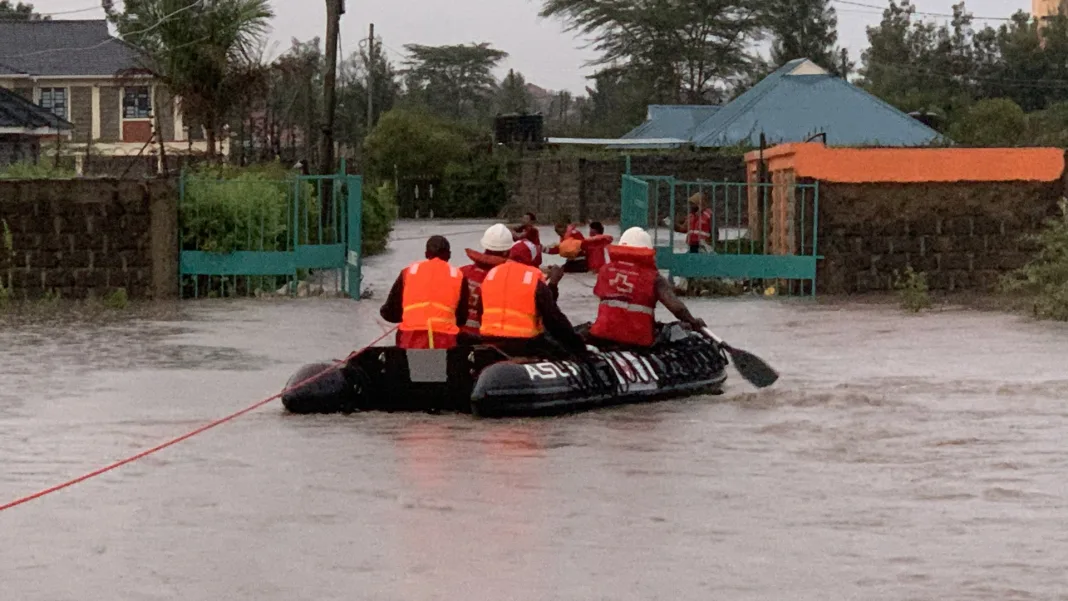
Coordination between National Government Administration Officers, county governments, the Kenya Red Cross Society, the National Drought Management Authority, security agencies, health workers and other disaster‑response actors has been enhanced. Rapid response teams are being strengthened and placed on standby to conduct search and rescue operations, evacuations and post‑disaster assessments. The National Disaster Operations Centre and county disaster‑management teams will coordinate the response throughout the rainfall season.
**Public Advisory**
The Interior Ministry cautioned that government preparations cannot completely eliminate the dangers posed by extreme rainfall. “The potential for flooding, displacement, loss of livelihoods, damage to infrastructure and, in severe cases, loss of life remains real,” it said. Authorities have urged people living along river banks, riparian reserves, low‑lying areas and locations prone to flash floods and landslides to heed evacuation orders and move to safer ground when directed. The public has also been asked to report blocked drainage systems, rising water levels, damaged infrastructure and other emerging hazards to authorities.
The government will continue monitoring the evolving weather situation and issue advisories through relevant agencies and official channels.
News Desk is the editorial publishing account for Tringlobe Media News, covering breaking news, public affairs, entertainment, community developments and regional stories across Trinidad and Tobago, the Caribbean and internationally.