The key points are temporarily unavailable. You can still read the full Story below.
Main Points
Tobago may be known today for its beaches, reefs, rainforests and laid-back tourism appeal, but the island has a remarkably turbulent past that saw European powers repeatedly fight for control of the relatively small Caribbean territory. According to the Tobago Tourism Agency, Tobago changed hands more than 30 times during its colonial history and was subjected to repeated claims, invasions, settlements and transfers of control involving European powers over a period of approximately 250 years. The agency goes even further, describing Tobago as having been fought over by European powers with an intensity unmatched by any other West Indian island from the late 15th century onward. Among those seeking control were the British, French, Dutch, Spanish and Courlanders, along with other foreign interests. But Tobago's history did not begin with Europeans. First Peoples inhabited the island for centuries before European arrival. Tobago's historical timeline records Saladoid peoples moving through Trinidad and northward into islands including Tobago centuries before European contact. The island's name is also linked to "Tavaco", associated with the long-stemmed pipe used by First Peoples for smoking tobacco. Christopher Columbus sighted Tobago in 1498, and European interest in the island subsequently increased. Tobago's location, fertile soil and natural resources made it attractive to competing colonial powers. However, establishing permanent control was far from easy. Spanish merchants attempted to establish trade with Tobago in the early 1600s. In 1628, a Dutch expedition established the settlement of New Walcheren near what is now Plymouth. Attempts at settlement also encountered resistance from the island's Indigenous population. One of the most surprising chapters in Tobago's history came in 1642. Settlers from the Duchy of Courland established what the Tobago Tourism Agency identifies as the island's first sustained European settlement. Courland was a small European state whose territory largely forms part of modern-day Latvia. The Courlanders maintained their settlement for approximately 12 years before the Dutch established themselves in another part of Tobago. That means Tobago shares a centuries-old historical connection with modern-day Latvia, something that remains visible on the island. The Courland Monument at Plymouth commemorates that connection, while Tobago Tourism notes that Latvians continue to visit the monument periodically in recognition of the history shared between the two places. The Courlanders, however, were only one part of a much larger struggle. The Dutch took control of Tobago in the 17th century, while Britain and France later became major competitors for the island. Wars in Europe and the Caribbean, invasions and international treaties repeatedly altered Tobago's political status. By 1763, the Treaty of Paris confirmed British possession of Tobago. Several years later, the first Tobago Assembly was established and Scarborough became the island's capital. British control did not last uninterrupted. Under the Treaty of Versailles in 1783, Tobago was ceded to France. Britain recaptured the island in 1793 and established a separate government, but Tobago's status continued to be affected by the wider conflicts taking place between European powers. France ultimately ceded Tobago to Britain under the Treaty of Paris in 1814, bringing the island more firmly under British control. Evidence of those centuries of conflict remains scattered across Tobago. Fort King George in Scarborough, Fort James in Plymouth, Fort Bennett in Black Rock and Fort Milford at Crown Point are among the military sites that remain today. Even their histories reflect Tobago's repeated changes in colonial control. Fort King George, for example, was developed under British authority in the late 18th century. When Tobago subsequently came under French rule, the site became known as Fort Castries. Following the return of British control, it became known as Fort King George. Fort Milford similarly served as a British military post until Tobago fell to the French in 1781. It was later rebuilt by the British, with several cannons remaining at the site today. Behind the battles between European powers was an even darker part of Tobago's history. Large numbers of Africans were forcibly transported to Tobago and enslaved on plantations. They were forced to work in agricultural industries producing crops including sugar cane, tobacco and cotton. Sugar eventually became central to Tobago's colonial economy, and remnants of that plantation era, including old sugar mills and estate infrastructure, can still be found across the island. Britain abolished its slave trade in 1807. Emancipation was proclaimed in 1834, followed by the apprenticeship period. Tobago's political journey would eventually bring another significant change. In 1887, Tobago's Legislative Council agreed to unite the island with Trinidad under one colonial administration. The merger became official in 1889, creating the colony of Trinidad and Tobago. The two islands would remain politically linked, eventually achieving independence together in 1962. Today, Tobago covers only about 116 square miles, yet its forts, monuments, plantation ruins and historic sites reveal how important the island once was to competing colonial interests. Tobago Tourism itself points to the unusually large number of historical military fortifications relative to the island's small size as evidence of that turbulent history. Perhaps the most remarkable part of the story is not simply that Britain and France once controlled Tobago. Colonial competition was widespread throughout the Caribbean. It is the frequency with which Tobago was contested. The official account that the island changed hands more than 30 times demonstrates how a place now associated internationally with peaceful beaches and tourism once occupied a very different position in Caribbean history. And the surviving Courland Monument adds another unexpected chapter: centuries before Trinidad and Tobago existed as a nation, settlers connected to modern-day Latvia were attempting to establish a colony on the island. Tobago's modern tranquility therefore hides an extraordinary past. The small Caribbean island that visitors travel to today for beaches and relaxation was once a territory European powers repeatedly fought to possess.
Tobago may be known today for its beaches, reefs, rainforests and laid-back tourism appeal, but the island has a remarkably turbulent past that saw European powers repeatedly fight for control of the relatively small Caribbean territory.
According to the Tobago Tourism Agency, Tobago changed hands more than 30 times during its colonial history and was subjected to repeated claims, invasions, settlements and transfers of control involving European powers over a period of approximately 250 years.
The agency goes even further, describing Tobago as having been fought over by European powers with an intensity unmatched by any other West Indian island from the late 15th century onward.
Among those seeking control were the British, French, Dutch, Spanish and Courlanders, along with other foreign interests.
But Tobago’s history did not begin with Europeans.
First Peoples inhabited the island for centuries before European arrival. Tobago’s historical timeline records Saladoid peoples moving through Trinidad and northward into islands including Tobago centuries before European contact. The island’s name is also linked to “Tavaco”, associated with the long-stemmed pipe used by First Peoples for smoking tobacco.
Christopher Columbus sighted Tobago in 1498, and European interest in the island subsequently increased.
Tobago’s location, fertile soil and natural resources made it attractive to competing colonial powers. However, establishing permanent control was far from easy.
Spanish merchants attempted to establish trade with Tobago in the early 1600s. In 1628, a Dutch expedition established the settlement of New Walcheren near what is now Plymouth. Attempts at settlement also encountered resistance from the island’s Indigenous population.
One of the most surprising chapters in Tobago’s history came in 1642.
Settlers from the Duchy of Courland established what the Tobago Tourism Agency identifies as the island’s first sustained European settlement. Courland was a small European state whose territory largely forms part of modern-day Latvia.
The Courlanders maintained their settlement for approximately 12 years before the Dutch established themselves in another part of Tobago.
That means Tobago shares a centuries-old historical connection with modern-day Latvia, something that remains visible on the island.
The Courland Monument at Plymouth commemorates that connection, while Tobago Tourism notes that Latvians continue to visit the monument periodically in recognition of the history shared between the two places.
The Courlanders, however, were only one part of a much larger struggle.
The Dutch took control of Tobago in the 17th century, while Britain and France later became major competitors for the island. Wars in Europe and the Caribbean, invasions and international treaties repeatedly altered Tobago’s political status.
By 1763, the Treaty of Paris confirmed British possession of Tobago. Several years later, the first Tobago Assembly was established and Scarborough became the island’s capital.
British control did not last uninterrupted.
Under the Treaty of Versailles in 1783, Tobago was ceded to France. Britain recaptured the island in 1793 and established a separate government, but Tobago’s status continued to be affected by the wider conflicts taking place between European powers.
France ultimately ceded Tobago to Britain under the Treaty of Paris in 1814, bringing the island more firmly under British control.
Evidence of those centuries of conflict remains scattered across Tobago.
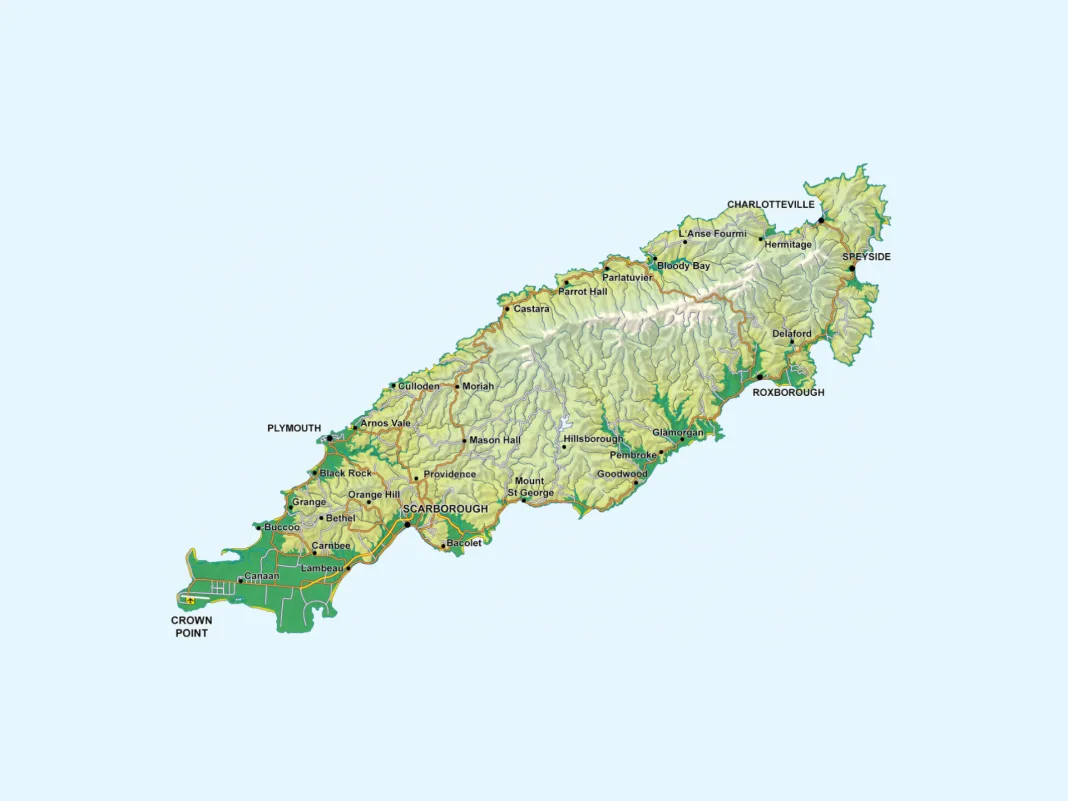
Fort King George in Scarborough, Fort James in Plymouth, Fort Bennett in Black Rock and Fort Milford at Crown Point are among the military sites that remain today.
Even their histories reflect Tobago’s repeated changes in colonial control.
Fort King George, for example, was developed under British authority in the late 18th century. When Tobago subsequently came under French rule, the site became known as Fort Castries. Following the return of British control, it became known as Fort King George.
Fort Milford similarly served as a British military post until Tobago fell to the French in 1781. It was later rebuilt by the British, with several cannons remaining at the site today.
Behind the battles between European powers was an even darker part of Tobago’s history.
Large numbers of Africans were forcibly transported to Tobago and enslaved on plantations. They were forced to work in agricultural industries producing crops including sugar cane, tobacco and cotton.
Sugar eventually became central to Tobago’s colonial economy, and remnants of that plantation era, including old sugar mills and estate infrastructure, can still be found across the island.
Britain abolished its slave trade in 1807. Emancipation was proclaimed in 1834, followed by the apprenticeship period.
Tobago’s political journey would eventually bring another significant change.
In 1887, Tobago’s Legislative Council agreed to unite the island with Trinidad under one colonial administration. The merger became official in 1889, creating the colony of Trinidad and Tobago.
The two islands would remain politically linked, eventually achieving independence together in 1962.
Today, Tobago covers only about 116 square miles, yet its forts, monuments, plantation ruins and historic sites reveal how important the island once was to competing colonial interests. Tobago Tourism itself points to the unusually large number of historical military fortifications relative to the island’s small size as evidence of that turbulent history.
Perhaps the most remarkable part of the story is not simply that Britain and France once controlled Tobago. Colonial competition was widespread throughout the Caribbean.
It is the frequency with which Tobago was contested.
The official account that the island changed hands more than 30 times demonstrates how a place now associated internationally with peaceful beaches and tourism once occupied a very different position in Caribbean history.
And the surviving Courland Monument adds another unexpected chapter: centuries before Trinidad and Tobago existed as a nation, settlers connected to modern-day Latvia were attempting to establish a colony on the island.
Tobago’s modern tranquility therefore hides an extraordinary past.
The small Caribbean island that visitors travel to today for beaches and relaxation was once a territory European powers repeatedly fought to possess.
News Desk is the editorial publishing account for Tringlobe Media News, covering breaking news, public affairs, entertainment, community developments and regional stories across Trinidad and Tobago, the Caribbean and internationally.