The key points are temporarily unavailable. You can still read the full Story below.
Main Points
Canada-U.S. Trade Talks Collapse as 50% Tariffs Take Effect A major trade confrontation between Canada and the United States has erupted after negotiations collapsed late Friday, triggering sweeping 50% U.S. tariffs on approximately US$20 billion worth of Canadian goods. The new duties took effect at midnight, Saturday, August 22, after negotiators failed to reach an agreement despite nearly two weeks of intensive discussions and a last-minute extension of the deadline. Canadian Prime Minister Mark Carney announced shortly before the deadline that Canada was suspending negotiations and ordering its negotiating team back to Ottawa. Carney said the two countries had made important progress, but the proposed agreement ultimately failed to meet Canada's objectives. He accused the United States of introducing last-minute changes that Canada considered unfair and economically unacceptable, while raising questions about whether Washington could be relied upon to honour an eventual agreement. Canada has now promised to retaliate. The Carney government says it will impose matching tariffs on U.S. goods, effectively responding dollar-for-dollar to Washington's measures as it seeks to protect Canadian workers and businesses. The U.S. tariffs cover roughly US$20 billion — approximately C$28 billion — in Canadian products and represent about 5% of Canada's annual exports to the United States. Products affected include a wide variety of Canadian goods, ranging from hockey sticks and certain clothing to building materials and other manufactured products. The breakdown represents a dramatic reversal from earlier in the week. U.S. President Donald Trump had extended the tariff deadline for three days as negotiations continued, and officials from both countries had publicly suggested that significant progress was being made. Canadian Minister responsible for U.S. trade relations Dominic LeBlanc met U.S. Trade Representative Jamieson Greer for hours Thursday, while negotiations continued into Friday evening. But despite negotiators remaining engaged until the final hours, the two countries could not bridge their remaining differences. Washington presented a different account of why negotiations failed. Greer said Canada declined to finalise a deal based on terms that the United States believed had already been agreed upon earlier in the week. According to the U.S. side, Canada introduced new demands and reversed previous commitments, upsetting what Washington considered a carefully negotiated compromise. One contentious issue involved Canada's retaliatory measures against American products, including provincial restrictions introduced against the sale of some U.S. alcoholic beverages following earlier American tariffs. Canada, however, maintains that Washington changed important elements of its proposal at the last minute. The dispute also exposed pressure within Canada over how far the federal government should go to secure an agreement. Some provincial leaders have pushed Ottawa to maintain a tough position against Washington, while the federal government reportedly sought cooperation from provinces on removing certain retaliatory restrictions. Manitoba Premier Wab Kinew publicly urged the federal government to continue fighting the Trump administration's trade measures. The breakdown now leaves one of the world's largest trading relationships facing another period of uncertainty. Canada and the United States exchanged more than US$880 billion in goods and services last year, meaning even tariffs covering a relatively small portion of overall trade could affect businesses, supply chains and consumer prices on both sides of the border. Carney signalled that Canada is preparing for a longer-term transformation of its economic relationship with the United States. “We have recognised from the beginning that America has changed, and that we will not return to our old relationship,” Carney said. His government has increasingly promoted diversification away from dependence on the U.S. market, arguing that Canada's energy resources, critical minerals, educated workforce and existing international trade agreements provide opportunities to expand elsewhere. “Canada has what the world wants,” Carney declared as the negotiations collapsed. For now, however, the immediate consequence is clear: the 50% American tariffs are in effect, Canada is preparing matching retaliation, and there is currently no announced timetable for negotiations to resume.
Canada-U.S. Trade Talks Collapse as 50% Tariffs Take Effect
A major trade confrontation between Canada and the United States has erupted after negotiations collapsed late Friday, triggering sweeping 50% U.S. tariffs on approximately US$20 billion worth of Canadian goods.
The new duties took effect at midnight, Saturday, August 22, after negotiators failed to reach an agreement despite nearly two weeks of intensive discussions and a last-minute extension of the deadline.
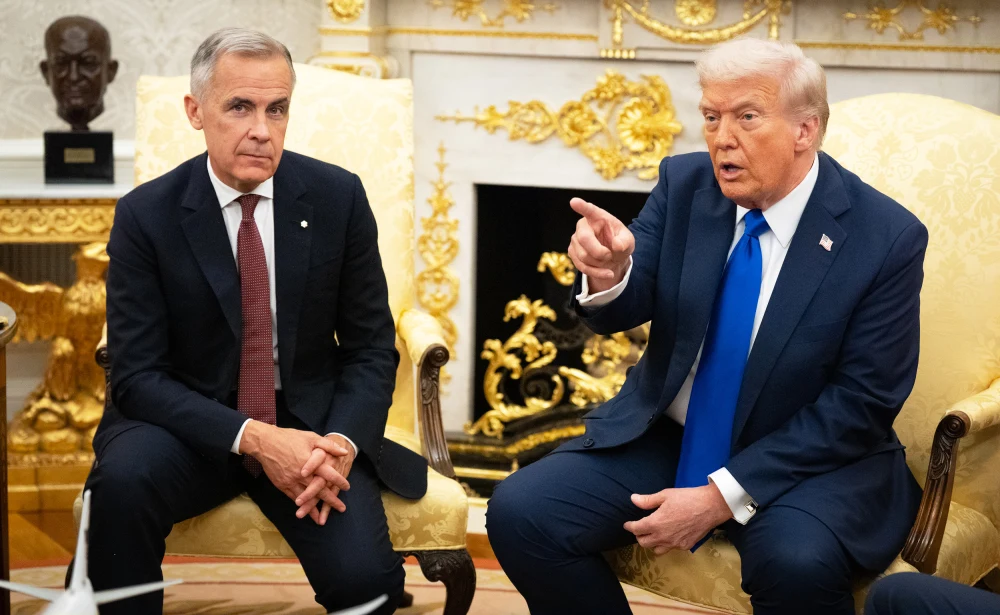
Canadian Prime Minister Mark Carney announced shortly before the deadline that Canada was suspending negotiations and ordering its negotiating team back to Ottawa.
Carney said the two countries had made important progress, but the proposed agreement ultimately failed to meet Canada’s objectives.
He accused the United States of introducing last-minute changes that Canada considered unfair and economically unacceptable, while raising questions about whether Washington could be relied upon to honour an eventual agreement.
Canada has now promised to retaliate.
The Carney government says it will impose matching tariffs on U.S. goods, effectively responding dollar-for-dollar to Washington’s measures as it seeks to protect Canadian workers and businesses.
The U.S. tariffs cover roughly US$20 billion — approximately C$28 billion — in Canadian products and represent about 5% of Canada’s annual exports to the United States.
Products affected include a wide variety of Canadian goods, ranging from hockey sticks and certain clothing to building materials and other manufactured products.
The breakdown represents a dramatic reversal from earlier in the week.
U.S. President Donald Trump had extended the tariff deadline for three days as negotiations continued, and officials from both countries had publicly suggested that significant progress was being made.
Canadian Minister responsible for U.S. trade relations Dominic LeBlanc met U.S. Trade Representative Jamieson Greer for hours Thursday, while negotiations continued into Friday evening.
But despite negotiators remaining engaged until the final hours, the two countries could not bridge their remaining differences.
Washington presented a different account of why negotiations failed.
Greer said Canada declined to finalise a deal based on terms that the United States believed had already been agreed upon earlier in the week.
According to the U.S. side, Canada introduced new demands and reversed previous commitments, upsetting what Washington considered a carefully negotiated compromise.
One contentious issue involved Canada’s retaliatory measures against American products, including provincial restrictions introduced against the sale of some U.S. alcoholic beverages following earlier American tariffs.
Canada, however, maintains that Washington changed important elements of its proposal at the last minute.
The dispute also exposed pressure within Canada over how far the federal government should go to secure an agreement.
Some provincial leaders have pushed Ottawa to maintain a tough position against Washington, while the federal government reportedly sought cooperation from provinces on removing certain retaliatory restrictions.
Manitoba Premier Wab Kinew publicly urged the federal government to continue fighting the Trump administration’s trade measures.
The breakdown now leaves one of the world’s largest trading relationships facing another period of uncertainty.
Canada and the United States exchanged more than US$880 billion in goods and services last year, meaning even tariffs covering a relatively small portion of overall trade could affect businesses, supply chains and consumer prices on both sides of the border.
Carney signalled that Canada is preparing for a longer-term transformation of its economic relationship with the United States.
“We have recognised from the beginning that America has changed, and that we will not return to our old relationship,” Carney said.
His government has increasingly promoted diversification away from dependence on the U.S. market, arguing that Canada’s energy resources, critical minerals, educated workforce and existing international trade agreements provide opportunities to expand elsewhere.
“Canada has what the world wants,” Carney declared as the negotiations collapsed.
For now, however, the immediate consequence is clear: the 50% American tariffs are in effect, Canada is preparing matching retaliation, and there is currently no announced timetable for negotiations to resume.
News Desk is the editorial publishing account for Tringlobe Media News, covering breaking news, public affairs, entertainment, community developments and regional stories across Trinidad and Tobago, the Caribbean and internationally.