The key points are temporarily unavailable. You can still read the full Story below.
Main Points
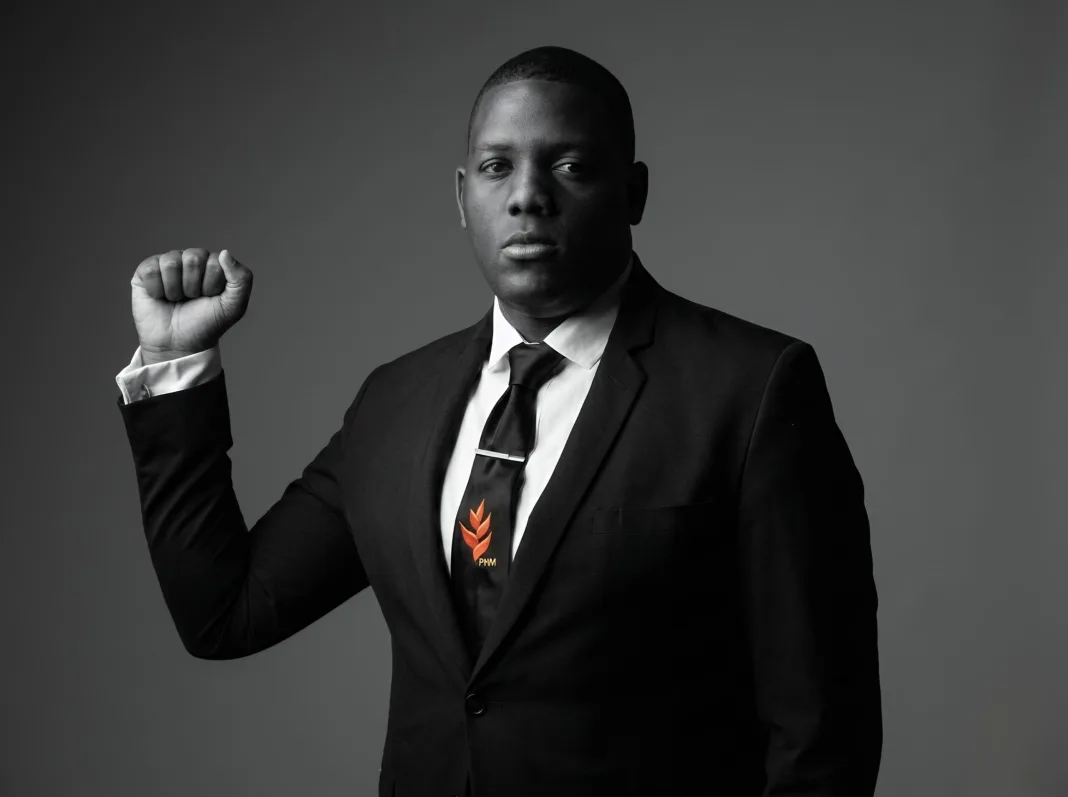
During a political meeting on Thursday night, Laventille West MP Kareem Marcelle made remarks that have sparked a major controversy across Trinidad and Tobago. Marcelle insists that his comments were aimed at the United National Congress (UNC) and not at any ethnic group. He accused the UNC of hostility toward Afro-Trinidadians, arguing that 'PNM people' have increasingly been used in a derogatory manner. As clips of his speech began circulating on social media, the debate over the intent and meaning of his remarks intensified. Marcelle faced both support and criticism, with some citizens agreeing with his concerns while others questioned the potential of his language to further political division. In response to mounting criticism, Marcelle defended his position. He rejected claims of making anti-Indian remarks and maintained that his statements had been misrepresented. According to Marcelle, his comments were directed at the UNC as a political organization, not at any ethnic community. The controversy over Marcelle's remarks has since evolved into a national conversation about political rhetoric, race, identity, and the responsibilities of public officials. The debate has extended into homes, workplaces, and social media spaces, raising questions about freedom of political expression and the need for caution around sensitive topics. The remarks have placed Marcelle at the center of one of the country's most closely watched political discussions in recent days. With reactions continuing to emerge, attention is now shifting to what the ongoing debate reveals about the state of political discourse in Trinidad and Tobago.
During a political meeting on Thursday night, Laventille West MP Kareem Marcelle made remarks that have sparked a major controversy across Trinidad and Tobago. Marcelle insists that his comments were aimed at the United National Congress (UNC) and not at any ethnic group. He accused the UNC of hostility toward Afro-Trinidadians, arguing that ‘PNM people’ have increasingly been used in a derogatory manner.
As clips of his speech began circulating on social media, the debate over the intent and meaning of his remarks intensified. Marcelle faced both support and criticism, with some citizens agreeing with his concerns while others questioned the potential of his language to further political division.
In response to mounting criticism, Marcelle defended his position. He rejected claims of making anti-Indian remarks and maintained that his statements had been misrepresented. According to Marcelle, his comments were directed at the UNC as a political organization, not at any ethnic community.
The controversy over Marcelle’s remarks has since evolved into a national conversation about political rhetoric, race, identity, and the responsibilities of public officials. The debate has extended into homes, workplaces, and social media spaces, raising questions about freedom of political expression and the need for caution around sensitive topics.
The remarks have placed Marcelle at the center of one of the country’s most closely watched political discussions in recent days. With reactions continuing to emerge, attention is now shifting to what the ongoing debate reveals about the state of political discourse in Trinidad and Tobago.
News Desk is the editorial publishing account for Tringlobe Media News, covering breaking news, public affairs, entertainment, community developments and regional stories across Trinidad and Tobago, the Caribbean and internationally.