Ask most Indonesians about ghosts, and they’ll mention kuntilanak, pocong, or tuyul—familiar spirits of horror films. But a new special edition of Inside Indonesia argues that ghosts do far more than frighten. They hold memories, protect nature, and carry the weight of political violence.
The edition, edited by Tito Ambyo and Jamie Edmonds, brings together scholars, journalists, and community researchers to explore what ghosts actually do in Indonesian society. From the forests of Gunungkidul, where young people use supernatural lore to safeguard water sources against unethical tourism, to the rivers of Ponorogo, where headless soldiers haunt landscapes of the 1960s anti-communist purges, ghosts emerge as active agents.
Verena Meyer of Leiden University recounts a warning on a photocopied manuscript in Jambi: it must not be shown to anyone outside a specific sultan’s lineage. She asks how researchers should respect the agency of such texts in the age of digitization and AI. Meanwhile, Muhammad Afdillah traces how unprocessed grief persists through ghost stories in East Java, where the land itself mourns.
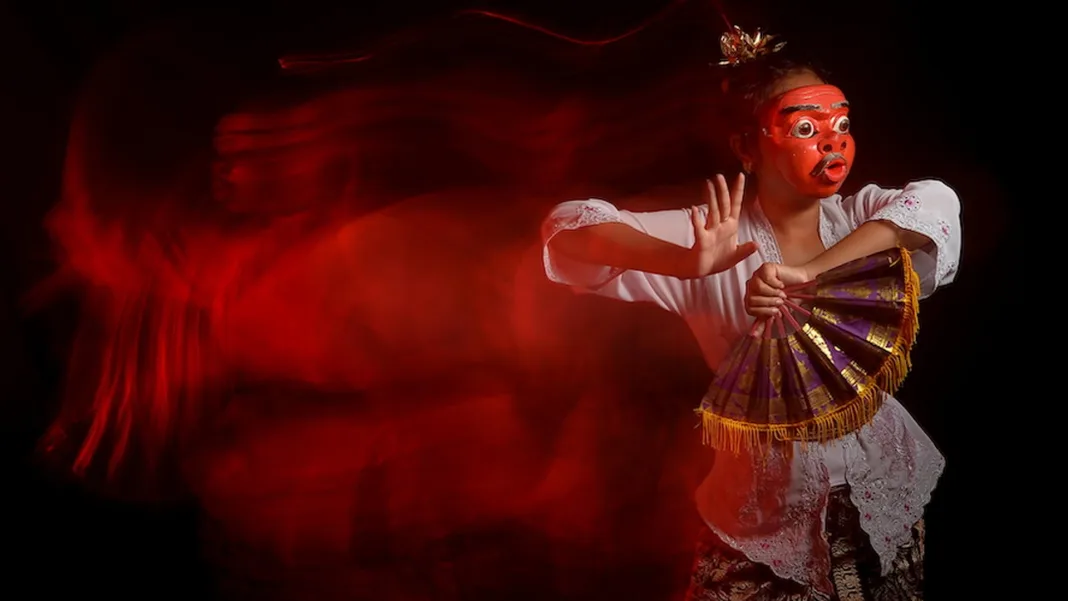
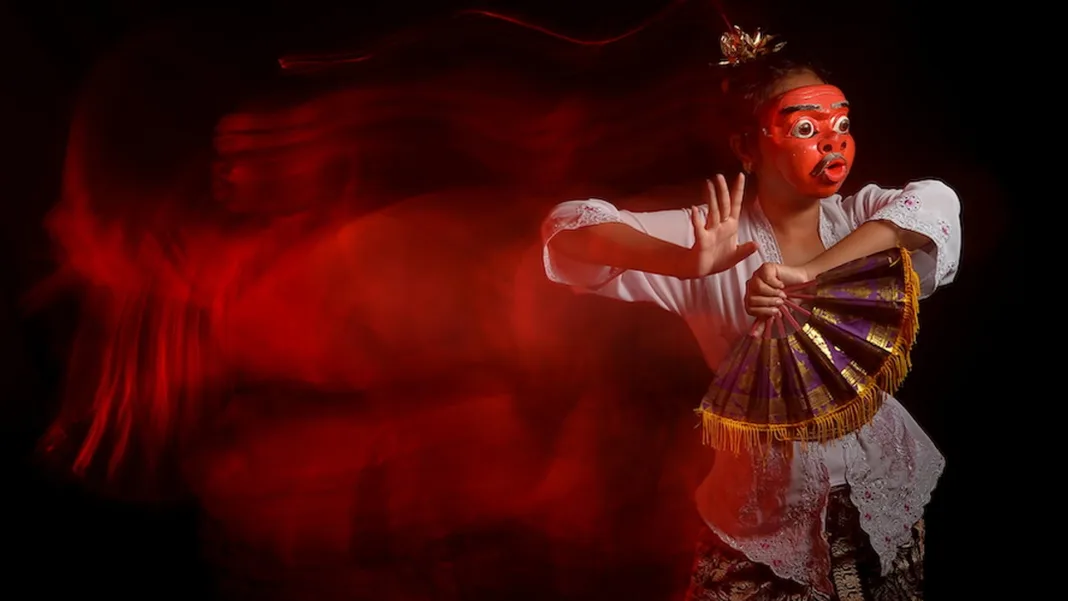
Bianca Smith’s article shows how djinn become part of grief and healing processes, while Andrea Decker analyzes female dancer ghosts in recent horror films, revealing anxieties about femininity and power. The edition concludes that whether you believe or not (percaya engga percaya), ghost stories in Indonesia are doing important work—keeping histories alive, regulating human-nature relations, and making the unspeakable speakable.
Article and image source: insideindonesia.org