The key points are temporarily unavailable. You can still read the full Story below.
Main Points
On May 24, 2026, Romuald Wadagni, Benin's former finance minister and hand-picked successor of Patrice Talon, was sworn in as president. His election was a foregone conclusion: the main opposition party, Les Democrates, was barred from fielding a candidate under Benin's restrictive ballot access laws, and he faced only one opponent, Paul Hounkpe, who won less than 6% of the vote. Wadagni has since embarked on a regional tour covering Niger, Togo, Nigeria, Burkina Faso, and Côte d'Ivoire. The visits to Niger and Togo carry the most weight for Benin's internal political economy. The Niger-Benin oil pipeline, a multibillion-dollar project, has been suspended since 2025 after Niger left ECOWAS following the 2023 coup. Relations soured further when Talon supported ECOWAS sanctions against Niger. Talon's political and financial networks are key to understanding Wadagni's early foreign policy moves. By choosing a successor dependent on his networks, Talon ensured regime continuity and protection from potential prosecution after leaving office. As finance minister, Wadagni oversaw a 40% rise in GDP per capita between 2016 and 2024, but he lacks an independent power base. His diplomatic outreach aims to revive the pipeline and ease tensions with Togo, where Talon's informal networks also reach. Benin's enhanced state capacity under Talon's fiscal centralisation also supports Wadagni's push. By consolidating tax collection and reforming state-owned enterprises, Benin is better positioned to capitalise on deeper regional ties. Wadagni's reputation as a pragmatist with elite Western credentials, including a stint at Deloitte, helps reset relations. Analysts describe Benin-Togo ties as a "polite coldness" due to port competition and differing governance styles, but Wadagni's fresh approach may thaw the relationship. Article source: allafrica.com | Image credit: Modern Ghana
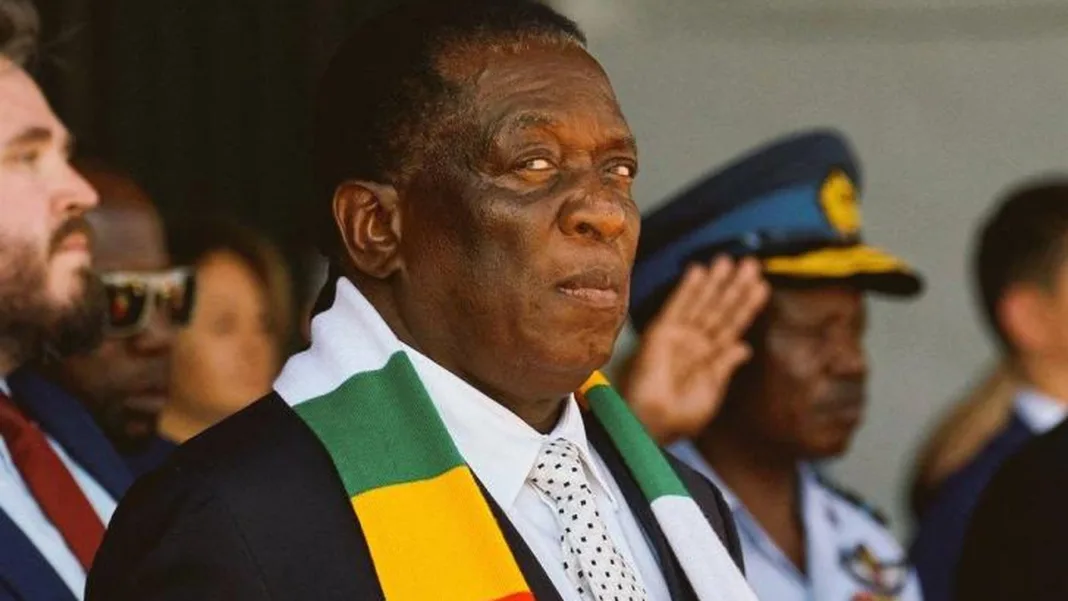
On May 24, 2026, Romuald Wadagni, Benin’s former finance minister and hand-picked successor of Patrice Talon, was sworn in as president. His election was a foregone conclusion: the main opposition party, Les Democrates, was barred from fielding a candidate under Benin’s restrictive ballot access laws, and he faced only one opponent, Paul Hounkpe, who won less than 6% of the vote.
Wadagni has since embarked on a regional tour covering Niger, Togo, Nigeria, Burkina Faso, and Côte d’Ivoire. The visits to Niger and Togo carry the most weight for Benin’s internal political economy. The Niger-Benin oil pipeline, a multibillion-dollar project, has been suspended since 2025 after Niger left ECOWAS following the 2023 coup. Relations soured further when Talon supported ECOWAS sanctions against Niger.
Talon’s political and financial networks are key to understanding Wadagni’s early foreign policy moves. By choosing a successor dependent on his networks, Talon ensured regime continuity and protection from potential prosecution after leaving office. As finance minister, Wadagni oversaw a 40% rise in GDP per capita between 2016 and 2024, but he lacks an independent power base. His diplomatic outreach aims to revive the pipeline and ease tensions with Togo, where Talon’s informal networks also reach.
Benin’s enhanced state capacity under Talon’s fiscal centralisation also supports Wadagni’s push. By consolidating tax collection and reforming state-owned enterprises, Benin is better positioned to capitalise on deeper regional ties. Wadagni’s reputation as a pragmatist with elite Western credentials, including a stint at Deloitte, helps reset relations. Analysts describe Benin-Togo ties as a “polite coldness” due to port competition and differing governance styles, but Wadagni’s fresh approach may thaw the relationship.
News Desk is the editorial publishing account for Tringlobe Media News, covering breaking news, public affairs, entertainment, community developments and regional stories across Trinidad and Tobago, the Caribbean and internationally.