The key points are temporarily unavailable. You can still read the full Story below.
Main Points
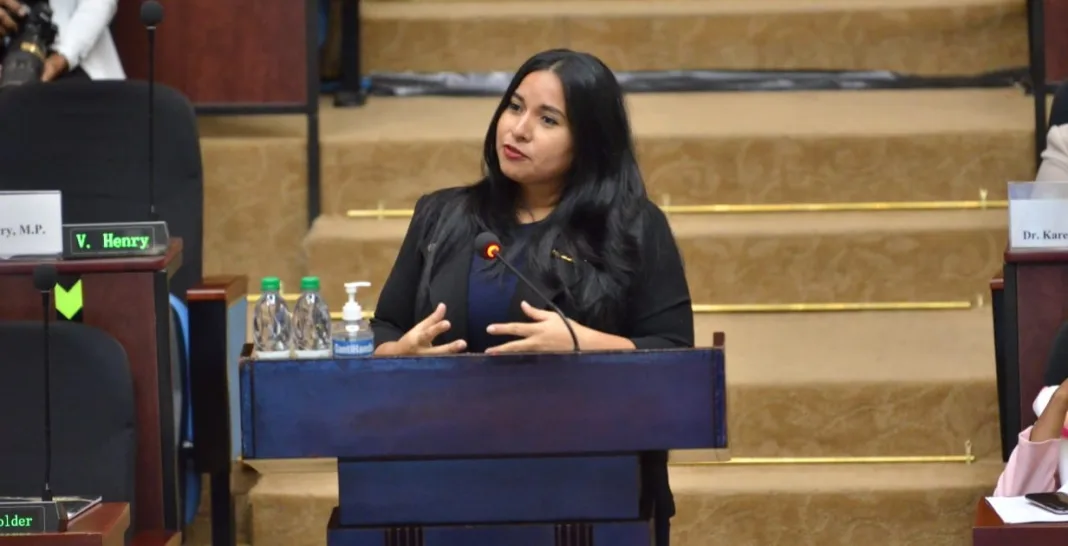
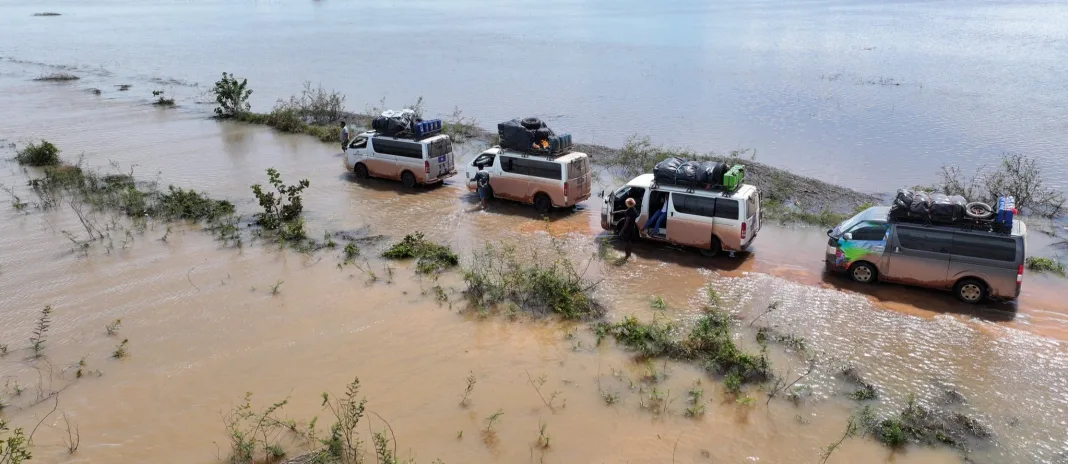
APNU Member of Parliament Sherod Duncan has raised concerns about flooding affecting sections of the Rupununi Road in Region Nine. During a recent visit to the area, Duncan encountered parts of the road completely submerged due to seasonal rainfall. He emphasized that this situation is not merely a minor inconvenience, stating, “This is not a creek. This is the road in Region 9.”
Duncan pointed out that the flooding significantly impacts residents who rely on the road for transportation, business, access to services, and daily movement. He noted that for many communities, flooding represents a serious disruption to everyday life rather than just a weather update. Much of the Rupununi Road is a laterite road, which is particularly vulnerable during extended periods of rainfall. Duncan explained that such roads are prone to erosion, rutting, washouts, and overall deterioration when subjected to heavy and continuous rain.
While acknowledging the need for long-term solutions, Duncan suggested that practical measures could be implemented to enhance the safety and reliability of the road under current conditions. He highlighted the necessity for better road materials, stronger roadbed preparation, regular grading, proper drainage maintenance, and timely repairs to vulnerable sections. Additionally, he called for improved communication with residents and road users during flooding events.
Duncan stressed the importance of providing timely advisories to drivers, transport operators, and communities regarding water levels, flooded sections, impassable areas, travel delays, and alternative routes when available. He believes that accurate and consistent information can help mitigate risks and prevent unnecessary disruptions, especially for individuals traveling long distances through challenging terrain.
The situation also raises broader questions about Guyana’s plans for the Georgetown-to-Lethem corridor. Duncan argued that as the country progresses with plans for a paved road, the focus should not solely be on laying asphalt. He emphasized that the road must be designed to accommodate the environmental realities of the Rupununi, including prolonged rainfall and seasonal flooding. Future road designs should incorporate proper drainage, resilient foundations, adequate culverts, flood mitigation measures, and elevations capable of withstanding heavy rainfall.
Source: hgptv.com