The key points are temporarily unavailable. You can still read the full Story below.
Main Points
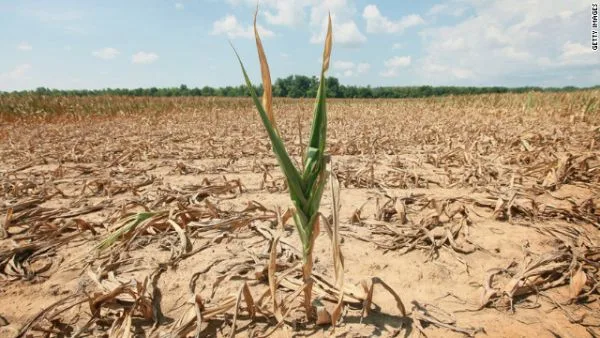
Belize is bracing for a challenging agricultural season as experts predict a significant reduction in rainfall from May to July due to the impact of El Niño. This phenomenon, characterized by warmer ocean temperatures in the Pacific, is known to disrupt weather patterns, leading to drought-like conditions across various parts of the world, including Central America.
The National Meteorological Service, in collaboration with international climatologists, has forecasted that Belize will likely experience less rainfall, which is concerning for the nation’s agriculture sector, a crucial component of its economy. This prediction has prompted the Ministry of Agriculture to advise farmers to recalibrate their planting and harvesting schedules. The aim is to mitigate potential crop failures and safeguard food security in the region.
The Ministry of Agriculture is placing a strong emphasis on preparedness. Officials have been actively engaging with international partners to develop strategies that can help offset the impacts of the anticipated dry spell. This includes exploring the use of drought-resistant crop varieties and enhancing irrigation techniques to optimize water usage. Such measures are deemed essential to adapt to the evolving climate challenges while ensuring the agricultural sector remains robust.
The potential ramifications of this weather pattern extend beyond the immediate agricultural output. Food security experts warn that without proper planning, the implications could be severe, affecting not just crop yields but also the broader supply chain. Local economies dependent on farming could face significant stress, intensifying the need for effective risk management and support systems for farmers.
In light of these developments, the Ministry of Agriculture has intensified communications with the farming community, providing resources and workshops to guide them through these uncertain times. These efforts are geared towards equipping farmers with the knowledge and tools necessary to navigate the challenges posed by El Niño successfully.
As Belize navigates these weather-related hurdles, the collaborative efforts between the government, meteorologists, and farmers underscore a proactive approach to managing natural adversities. By adapting to the changing climate, Belize aims to protect its agricultural backbone, ensuring sustainability and resilience for future generations.