The key points are temporarily unavailable. You can still read the full Story below.
Main Points
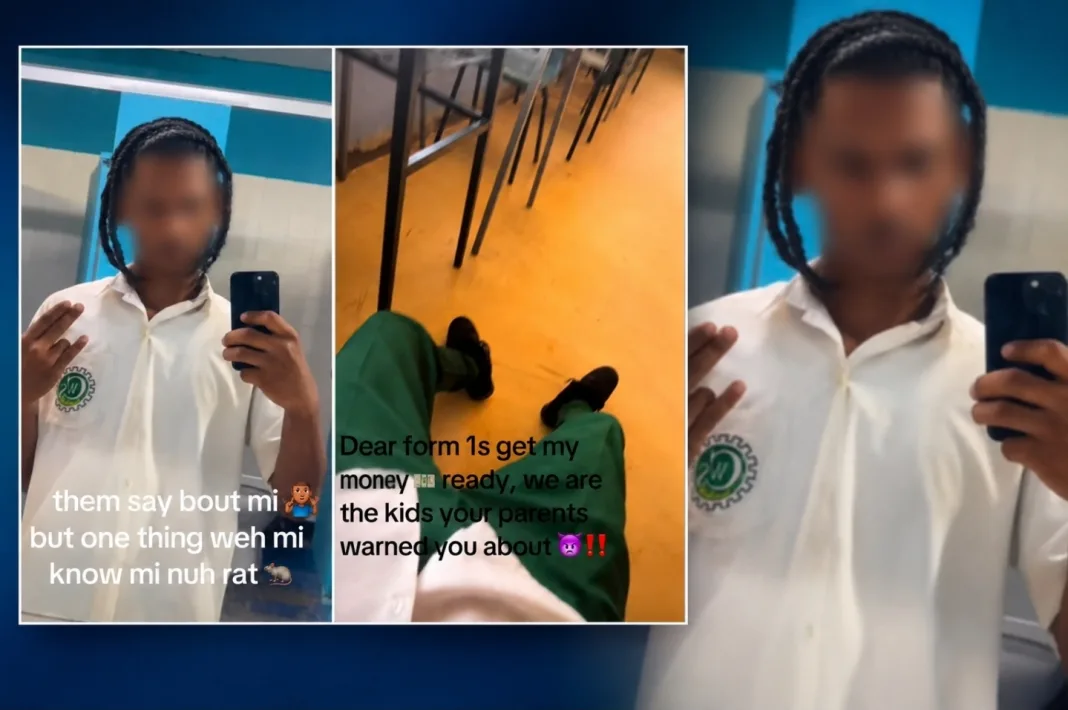
A TikTok post by a secondary school student ignited a widespread debate online after the student seemingly boasted about targeting incoming Form 1 students. The controversial post, which was interpreted by many as a reference to intimidating or extorting younger students, was later deleted but had already been shared and saved by numerous users, ensuring its continued circulation online. The student, facing intense public criticism, claimed in a follow-up post that the upload was intended as a joke and expressed frustration over it being taken seriously. This incident led to unwanted police interactions for the student and sparked a broader conversation about the permanence of social media posts. Many social media users acknowledged that young people sometimes post content without fully considering the potential consequences. However, a significant number of users argued that messages, which can be perceived as promoting bullying or intimidation, should not be casually dismissed as jokes. The situation also renewed conversations about school bullying, online behaviour and the responsibility of young people when using social media platforms. Schools, preparing to welcome a new intake of Form 1 students, are now faced with an opportunity to address these issues head-on. This incident underscores the reality that even deleted posts can leave a lasting digital footprint. Screenshots and recordings often continue to circulate long after the original content has been removed, serving as a stark reminder of the long-term consequences of ill-considered online behaviour.
A TikTok post by a secondary school student ignited a widespread debate online after the student seemingly boasted about targeting incoming Form 1 students. The controversial post, which was interpreted by many as a reference to intimidating or extorting younger students, was later deleted but had already been shared and saved by numerous users, ensuring its continued circulation online. The student, facing intense public criticism, claimed in a follow-up post that the upload was intended as a joke and expressed frustration over it being taken seriously.
This incident led to unwanted police interactions for the student and sparked a broader conversation about the permanence of social media posts. Many social media users acknowledged that young people sometimes post content without fully considering the potential consequences. However, a significant number of users argued that messages, which can be perceived as promoting bullying or intimidation, should not be casually dismissed as jokes.
The situation also renewed conversations about school bullying, online behaviour and the responsibility of young people when using social media platforms. Schools, preparing to welcome a new intake of Form 1 students, are now faced with an opportunity to address these issues head-on.
This incident underscores the reality that even deleted posts can leave a lasting digital footprint. Screenshots and recordings often continue to circulate long after the original content has been removed, serving as a stark reminder of the long-term consequences of ill-considered online behaviour.
News Desk is the editorial publishing account for Tringlobe Media News, covering breaking news, public affairs, entertainment, community developments and regional stories across Trinidad and Tobago, the Caribbean and internationally.