The key points are temporarily unavailable. You can still read the full Story below.
Main Points
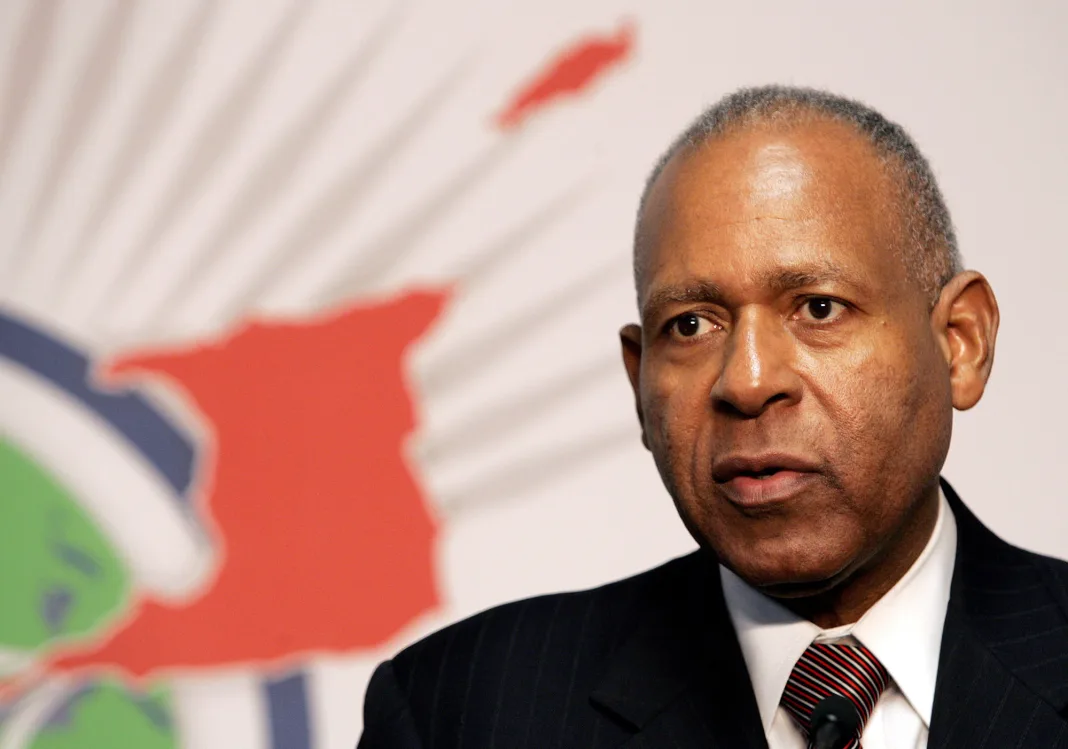
Today marks a significant milestone in Trinidad and Tobago's history: the 10th anniversary of former Prime Minister Patrick Manning's passing. Manning, one of the most influential political leaders in the nation's history, served as Prime Minister from 1991 to 1995 and again from 2001 to 2010. He also holds the record for the longest tenure in Parliament, representing San Fernando East for 44 years. Throughout his political career, Manning was known for his visionary approach and commitment to long-term national development. His most enduring contribution was perhaps in the field of education. He expanded the Government Assistance for Tuition Expenses (GATE) programme, effectively broadening access to tertiary education for thousands of citizens. Under his administration, the University of Trinidad and Tobago (UTT) was also established, aimed at creating a skilled workforce to drive innovation and economic growth. Infrastructure development was another significant focus during Manning's tenure. His government oversaw the construction and expansion of a wide range of projects including highways, schools, health facilities, and sporting venues. While some of these initiatives sparked debate, they have since become integral elements of the country's development. Internationally, Manning sought to position Trinidad and Tobago as a regional leader, successfully hosting the Fifth Summit of the Americas in 2009. Despite facing scrutiny over some aspects of governance and public spending, his dedication to long-term planning and his willingness to pursue ambitious projects are widely acknowledged. Ten years on, Manning's legacy remains a critical part of the national fabric. His contributions continue to shape national conversations about vision, leadership, and progress, reminding us of the importance of long-term planning and bold leadership in the pursuit of national development.
Today marks a significant milestone in Trinidad and Tobago’s history: the 10th anniversary of former Prime Minister Patrick Manning’s passing. Manning, one of the most influential political leaders in the nation’s history, served as Prime Minister from 1991 to 1995 and again from 2001 to 2010. He also holds the record for the longest tenure in Parliament, representing San Fernando East for 44 years.
Throughout his political career, Manning was known for his visionary approach and commitment to long-term national development. His most enduring contribution was perhaps in the field of education. He expanded the Government Assistance for Tuition Expenses (GATE) programme, effectively broadening access to tertiary education for thousands of citizens. Under his administration, the University of Trinidad and Tobago (UTT) was also established, aimed at creating a skilled workforce to drive innovation and economic growth.
Infrastructure development was another significant focus during Manning’s tenure. His government oversaw the construction and expansion of a wide range of projects including highways, schools, health facilities, and sporting venues. While some of these initiatives sparked debate, they have since become integral elements of the country’s development.
Internationally, Manning sought to position Trinidad and Tobago as a regional leader, successfully hosting the Fifth Summit of the Americas in 2009. Despite facing scrutiny over some aspects of governance and public spending, his dedication to long-term planning and his willingness to pursue ambitious projects are widely acknowledged.
Ten years on, Manning’s legacy remains a critical part of the national fabric. His contributions continue to shape national conversations about vision, leadership, and progress, reminding us of the importance of long-term planning and bold leadership in the pursuit of national development.
News Desk is the editorial publishing account for Tringlobe Media News, covering breaking news, public affairs, entertainment, community developments and regional stories across Trinidad and Tobago, the Caribbean and internationally.