The key points are temporarily unavailable. You can still read the full Story below.
Main Points
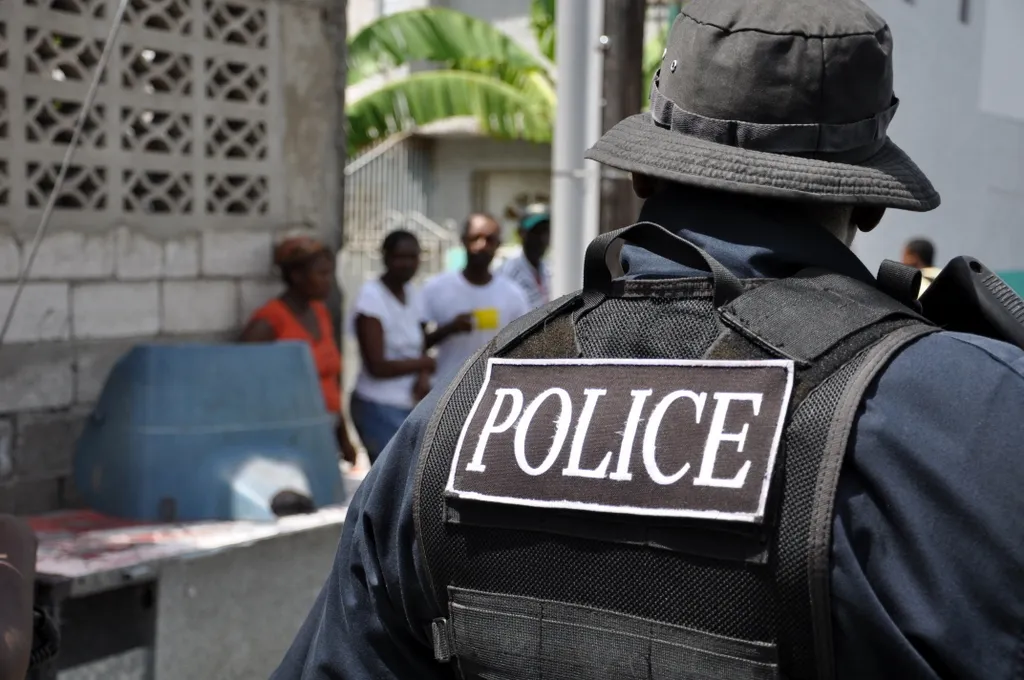
As Trinidad and Tobago remains under a State of Emergency, questions are being raised about proposals to further expand law enforcement authority through Zones of Special Operations (ZOSO), especially as murders and violent crimes continue despite police already operating with enhanced powers. Under the current State of Emergency, police possess broad authority to conduct searches, restrict movement, monitor communities, limit gatherings and carry out operations with fewer limitations than under normal conditions. Critics argue that these powers already exceed what is available under traditional ZOSO frameworks, yet criminal activity continues across several parts of the country. This has sparked debate over whether introducing or expanding ZOSO measures would bring meaningful change or simply increase policing powers further without resolving the underlying problems affecting vulnerable communities. Concerns have also emerged over the possibility of widespread restrictions being imposed on communities, including tighter movement controls and increased police presence in areas already under pressure from crime and economic hardship. While ZOSO initiatives are often promoted as combining security operations with social intervention programs, critics argue that the enforcement aspect tends to dominate public attention while long-term redevelopment efforts receive less visibility. The discussion has intensified around whether enough focus is being placed on employment opportunities, youth programs, education, community development and economic support alongside policing strategies. Some critics maintain that if the current State of Emergency, which already grants substantial powers to law enforcement, has not fully curbed violent crime, then simply introducing additional measures under ZOSO may not be sufficient on its own.
As Trinidad and Tobago remains under a State of Emergency, questions are being raised about proposals to further expand law enforcement authority through Zones of Special Operations (ZOSO), especially as murders and violent crimes continue despite police already operating with enhanced powers.
Under the current State of Emergency, police possess broad authority to conduct searches, restrict movement, monitor communities, limit gatherings and carry out operations with fewer limitations than under normal conditions. Critics argue that these powers already exceed what is available under traditional ZOSO frameworks, yet criminal activity continues across several parts of the country.
This has sparked debate over whether introducing or expanding ZOSO measures would bring meaningful change or simply increase policing powers further without resolving the underlying problems affecting vulnerable communities.
Concerns have also emerged over the possibility of widespread restrictions being imposed on communities, including tighter movement controls and increased police presence in areas already under pressure from crime and economic hardship.
While ZOSO initiatives are often promoted as combining security operations with social intervention programs, critics argue that the enforcement aspect tends to dominate public attention while long-term redevelopment efforts receive less visibility.
The discussion has intensified around whether enough focus is being placed on employment opportunities, youth programs, education, community development and economic support alongside policing strategies.
Some critics maintain that if the current State of Emergency, which already grants substantial powers to law enforcement, has not fully curbed violent crime, then simply introducing additional measures under ZOSO may not be sufficient on its own.
News Desk is the editorial publishing account for Tringlobe Media News, covering breaking news, public affairs, entertainment, community developments and regional stories across Trinidad and Tobago, the Caribbean and internationally.