The key points are temporarily unavailable. You can still read the full Story below.
Main Points
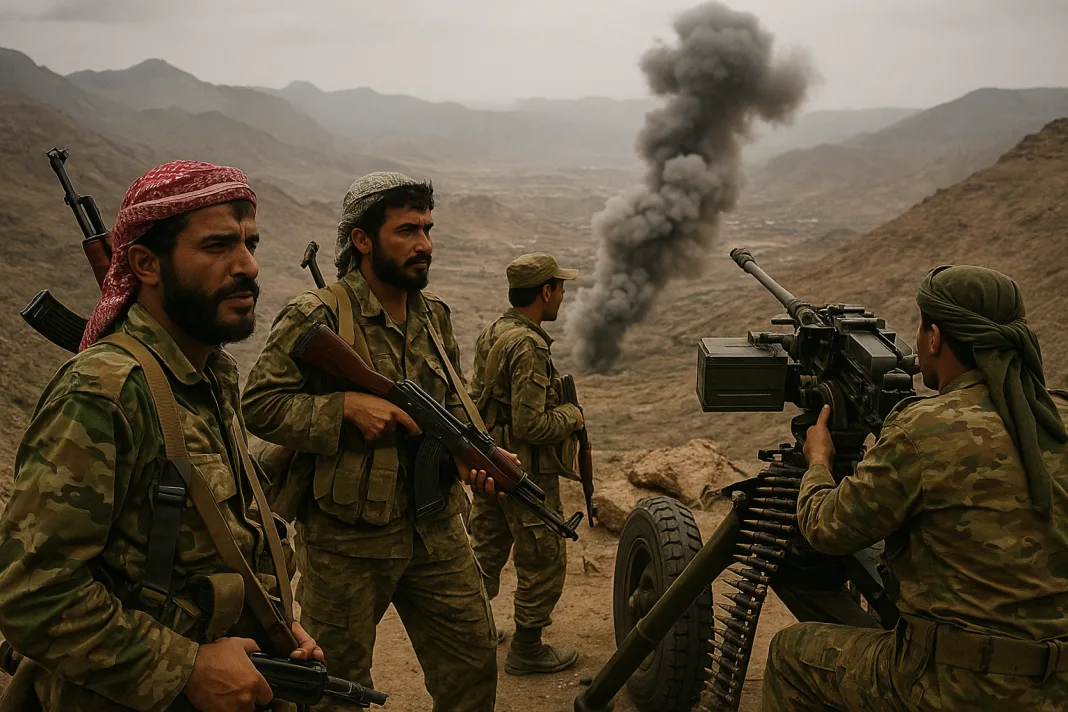
In a significant escalation of the ongoing Middle East conflict, Yemen has officially joined the fray. On March 28, 2026, the Iran-aligned Houthi rebels in Yemen executed their first direct strike on Israel since the conflict's commencement. The group confirmed their responsibility for the attack, citing it as retaliation for continued military actions against Iran and its regional allies. Although Israeli defense systems successfully intercepted the missile, preventing major damage or casualties, the strike symbolizes a perilous expansion of the war. It opens a new front in a region already marred by volatility and tension. The Houthis openly align themselves with Iran and other allied groups across the Middle East, warning of potential future attacks. This development serves as a stark reminder of the fragility of peace in the region, and the potential for conflict to quickly escalate beyond existing boundaries. Analysts are expressing concerns that Yemen's involvement could significantly risk a wider regional conflict. This could have far-reaching implications, including potential impacts on global trade routes, particularly in the Red Sea. As the conflict enters its fifth week, casualties continue to rise alongside disruptions to global energy supplies, underscoring the profound economic and humanitarian fallout. Join the Trinidad and Tobago WhatsApp update group: https://chat.whatsapp.com/DKueX7ZV35626FbOsKBt03
In a significant escalation of the ongoing Middle East conflict, Yemen has officially joined the fray. On March 28, 2026, the Iran-aligned Houthi rebels in Yemen executed their first direct strike on Israel since the conflict’s commencement. The group confirmed their responsibility for the attack, citing it as retaliation for continued military actions against Iran and its regional allies.
Although Israeli defense systems successfully intercepted the missile, preventing major damage or casualties, the strike symbolizes a perilous expansion of the war. It opens a new front in a region already marred by volatility and tension.
The Houthis openly align themselves with Iran and other allied groups across the Middle East, warning of potential future attacks. This development serves as a stark reminder of the fragility of peace in the region, and the potential for conflict to quickly escalate beyond existing boundaries.
Analysts are expressing concerns that Yemen’s involvement could significantly risk a wider regional conflict. This could have far-reaching implications, including potential impacts on global trade routes, particularly in the Red Sea. As the conflict enters its fifth week, casualties continue to rise alongside disruptions to global energy supplies, underscoring the profound economic and humanitarian fallout.
News Desk is the editorial publishing account for Tringlobe Media News, covering breaking news, public affairs, entertainment, community developments and regional stories across Trinidad and Tobago, the Caribbean and internationally.