The key points are temporarily unavailable. You can still read the full Story below.
Main Points
Preventive Detention, Expanded Police Powers Activated Under New SoE Regulations Prime Minister Kamla Persad-Bissessar has confirmed that a State of Emergency (SoE) took effect immediately on Tuesday, March 3, 2026, with the publication of the Emergency Powers Regulations, Legal Notice 40 of 2026. In a national statement, the Prime Minister noted that the previous SoE expired on January 31, 2026, but said renewed action was necessary in the interest of public safety and national security. The newly published Regulations activate a range of extraordinary powers available to the State. However, officials clarified that several measures will only take effect if specific Orders are issued and formally published. Preventive Detention Framework Among the most significant provisions is the power of preventive detention. Authorities may detain individuals without formally charging them if such detention is deemed necessary for public safety or public order. The Regulations outline strict procedural safeguards. A formal detention order must be issued, and detainees must be informed of the grounds for their detention. A Tribunal, established under Section 11 of the Constitution, is required to review each case and determine whether sufficient cause exists for continued detention. Detainees are entitled to legal representation, and the Minister retains the authority to revoke detention orders at any time. Preventive detention is not automatic and applies only where a specific detention order has been made. Movement and Area Restrictions The Regulations also empower the President to issue Orders restricting the movement of persons, access to designated areas, and travel by land, sea, or air. Locations may be declared “protected places,” limiting entry. No curfew is automatically imposed under the SoE declaration. Any curfew or area restriction would require a separate, clearly defined Order specifying the terms and duration. Communication Controls Provisions within the Regulations address public communication. It is now an offence to act in a manner intended to influence public opinion in a way likely to prejudice public safety. The distribution or possession of materials intended to assist in committing offences under the Regulations is also prohibited. These measures are intended to prevent incitement, coordination of unlawful activity, or the spread of information that could compromise public safety during the SoE period. Expanded Arrest and Search Powers Law enforcement officers have been granted enhanced authority, including the power to arrest without a warrant where reasonable suspicion exists, enter and search premises without a warrant, and stop and search individuals or vehicles when necessary. Individuals arrested under the Regulations may be detained for up to 48 hours, with any extensions subject to judicial oversight. Parliamentary Review Required The State of Emergency will remain in effect for an initial 15 days and must be debated in Parliament within that timeframe. Extensions of up to three months at a time are permitted, with the first two extensions requiring a simple majority in the House of Representatives. While the legal framework is now in force, operational measures such as curfews or specific area designations will only take effect if separate official Orders are issued. Further details from the Attorney General and the Commissioner of Police are expected later today. Join the Trinidad and Tobago WhatsApp update group: https://chat.whatsapp.com/DKueX7ZV35626FbOsKBt03
Preventive Detention, Expanded Police Powers Activated Under New SoE Regulations
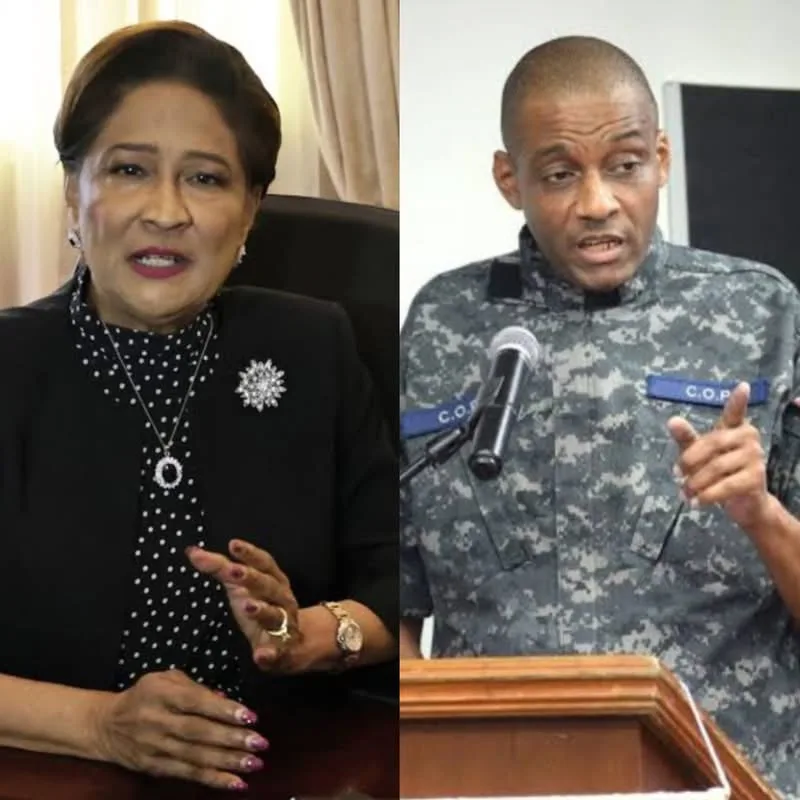
Prime Minister Kamla Persad-Bissessar has confirmed that a State of Emergency (SoE) took effect immediately on Tuesday, March 3, 2026, with the publication of the Emergency Powers Regulations, Legal Notice 40 of 2026.
In a national statement, the Prime Minister noted that the previous SoE expired on January 31, 2026, but said renewed action was necessary in the interest of public safety and national security.
The newly published Regulations activate a range of extraordinary powers available to the State. However, officials clarified that several measures will only take effect if specific Orders are issued and formally published.
Preventive Detention Framework
Among the most significant provisions is the power of preventive detention. Authorities may detain individuals without formally charging them if such detention is deemed necessary for public safety or public order.
The Regulations outline strict procedural safeguards. A formal detention order must be issued, and detainees must be informed of the grounds for their detention. A Tribunal, established under Section 11 of the Constitution, is required to review each case and determine whether sufficient cause exists for continued detention. Detainees are entitled to legal representation, and the Minister retains the authority to revoke detention orders at any time.
Preventive detention is not automatic and applies only where a specific detention order has been made.
Movement and Area Restrictions
The Regulations also empower the President to issue Orders restricting the movement of persons, access to designated areas, and travel by land, sea, or air. Locations may be declared “protected places,” limiting entry.
No curfew is automatically imposed under the SoE declaration. Any curfew or area restriction would require a separate, clearly defined Order specifying the terms and duration.
Communication Controls
Provisions within the Regulations address public communication. It is now an offence to act in a manner intended to influence public opinion in a way likely to prejudice public safety. The distribution or possession of materials intended to assist in committing offences under the Regulations is also prohibited.
These measures are intended to prevent incitement, coordination of unlawful activity, or the spread of information that could compromise public safety during the SoE period.
Expanded Arrest and Search Powers
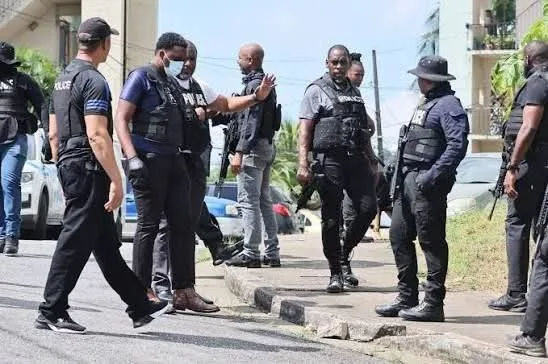
Law enforcement officers have been granted enhanced authority, including the power to arrest without a warrant where reasonable suspicion exists, enter and search premises without a warrant, and stop and search individuals or vehicles when necessary.
Individuals arrested under the Regulations may be detained for up to 48 hours, with any extensions subject to judicial oversight.
Parliamentary Review Required
The State of Emergency will remain in effect for an initial 15 days and must be debated in Parliament within that timeframe. Extensions of up to three months at a time are permitted, with the first two extensions requiring a simple majority in the House of Representatives.
While the legal framework is now in force, operational measures such as curfews or specific area designations will only take effect if separate official Orders are issued.
Further details from the Attorney General and the Commissioner of Police are expected later today.
News Desk is the editorial publishing account for Tringlobe Media News, covering breaking news, public affairs, entertainment, community developments and regional stories across Trinidad and Tobago, the Caribbean and internationally.