The key points are temporarily unavailable. You can still read the full Story below.
Main Points
Australia has become the first country to impose a nationwide ban on social media use for children under the age of 16, a move that is already reshaping global debates about online safety, privacy, and the role of governments in regulating digital life. Under the new rules, children under 16 are prohibited from creating or maintaining accounts on major social media platforms. Existing accounts are being deactivated, and companies, not families, are responsible for enforcing the ban. The policy, which took effect in early December, is being closely watched by governments around the world weighing how far to go in protecting young people online. What the ban does and does not cover: The Australian ban applies to platforms whose primary or significant purpose is online social interaction. Ten services are currently covered: Facebook, Instagram, Snapchat, Threads, TikTok, X, YouTube, Reddit, and the streaming platforms Kick and Twitch. The government assesses platforms using three criteria: whether they enable online social interaction between users, allow users to interact with others, and permit users to post content. Services that do not meet those criteria are excluded. As a result, YouTube Kids, Google Classroom, and WhatsApp are not covered. Children under 16 can also still view most online content without an account, meaning passive consumption of videos or posts remains legal. Critics have argued that the scope is incomplete, pointing to online gaming and social platforms, such as Roblox and Discord, which are not included. Roblox has said it will introduce age checks on some features, but it remains outside the ban. Why the government acted: The Australian government says the policy is designed to reduce harm caused by social media platforms’ design features, particularly those that encourage prolonged screen time and expose young users to damaging content. A government-commissioned study published earlier this year found that 96 percent of Australian children aged 10 to 15 used social media. Seven in ten reported being exposed to harmful material, including sexist or violent content, as well as posts promoting eating disorders and suicide. One in seven said they had experienced grooming-type behavior, and more than half reported being victims of cyberbullying. Australian Communications Minister Annika Wells has described the ban as a public health intervention rather than a moral judgment, acknowledging that it will not be flawless. How enforcement works: Children and parents will not be fined or prosecuted for breaching the ban. Instead, enforcement falls on social media companies, which face penalties of up to A$49.5 million for serious or repeated failures to prevent underage access. Platforms are required to take what the government calls “reasonable steps” to verify users’ ages, using a combination of technologies. These may include government-issued identification, facial or voice recognition, and “age inference” tools that analyze online behavior to estimate age. Companies are not allowed to rely on users self-declaring their age or on parents vouching for them. Meta, which owns Facebook, Instagram, and Threads, began closing teen accounts from December 4, 2025. The company says users removed in error can verify their age using government ID or a video selfie. Snapchat has said it will allow verification through photo ID, bank accounts, or selfies. Concerns and criticisms: Despite its landmark status, the ban has faced sustained criticism. Technology experts and civil liberties groups warn that age verification systems can be inaccurate, particularly for teenagers. The government’s own report found that facial assessment technology is least reliable for people in that age group. Others question whether the fines are large enough to change behavior. Former Facebook executive Stephen Scheeler told Australia’s AAP news agency that Meta earns roughly A$50 million in under two hours, raising doubts about whether penalties will act as a meaningful deterrent. Privacy advocates have also raised concerns about the volume of sensitive data required to verify age, especially in a country that has experienced several high-profile data breaches. The government insists the law includes strict protections, requiring that personal data be used only for age verification and then destroyed, with severe penalties for misuse. How tech companies have responded: Major technology companies criticized the ban when it was announced in November 2024. Many argued it would be difficult to enforce, easy to circumvent through fake accounts or VPNs, and potentially harmful by pushing young people toward less regulated corners of the internet. YouTube and Snap have disputed being classified as social media platforms. YouTube said the laws were rushed and warned that banning accounts could make children less safe by removing parental controls and safety filters. Google, YouTube’s parent company, was reported to be considering a legal challenge but did not respond to BBC requests for comment. Despite opposition, companies including TikTok, Snap, and Reddit have said they will comply with the law, even while expressing concerns about free expression, privacy, and uneven protections across platforms. A global test case with local resonance: Australia’s decision comes as other countries explore similar measures. Denmark plans to ban social media for under-15s, Norway is considering its own restrictions, and France has proposed both a ban for under-15s and curfews for older teens. Spain has drafted legislation requiring parental authorization for under-16s, while the UK has focused on heavy penalties for platforms that fail to protect children from harmful content. In the Caribbean, including Trinidad and Tobago, the debate feels familiar. Parents regularly express anxiety about cyberbullying, harmful content, and the amount of time children spend online, even as social media remains central to how young people communicate, learn, and express themselves. The question many families face is whether regulation, education, or a combination of both offers the best protection. Australia’s ban does not resolve that question. But by placing responsibility squarely on technology companies and drawing a firm age line, it has set a precedent that other governments are now studying closely. Whether the policy ultimately reduces harm, or simply reshapes how young people navigate the internet, is something the rest of the world will be watching in real time.
Australia has become the first country to impose a nationwide ban on social media use for children under the age of 16, a move that is already reshaping global debates about online safety, privacy, and the role of governments in regulating digital life.
Under the new rules, children under 16 are prohibited from creating or maintaining accounts on major social media platforms. Existing accounts are being deactivated, and companies, not families, are responsible for enforcing the ban. The policy, which took effect in early December, is being closely watched by governments around the world weighing how far to go in protecting young people online.
What the ban does and does not cover:
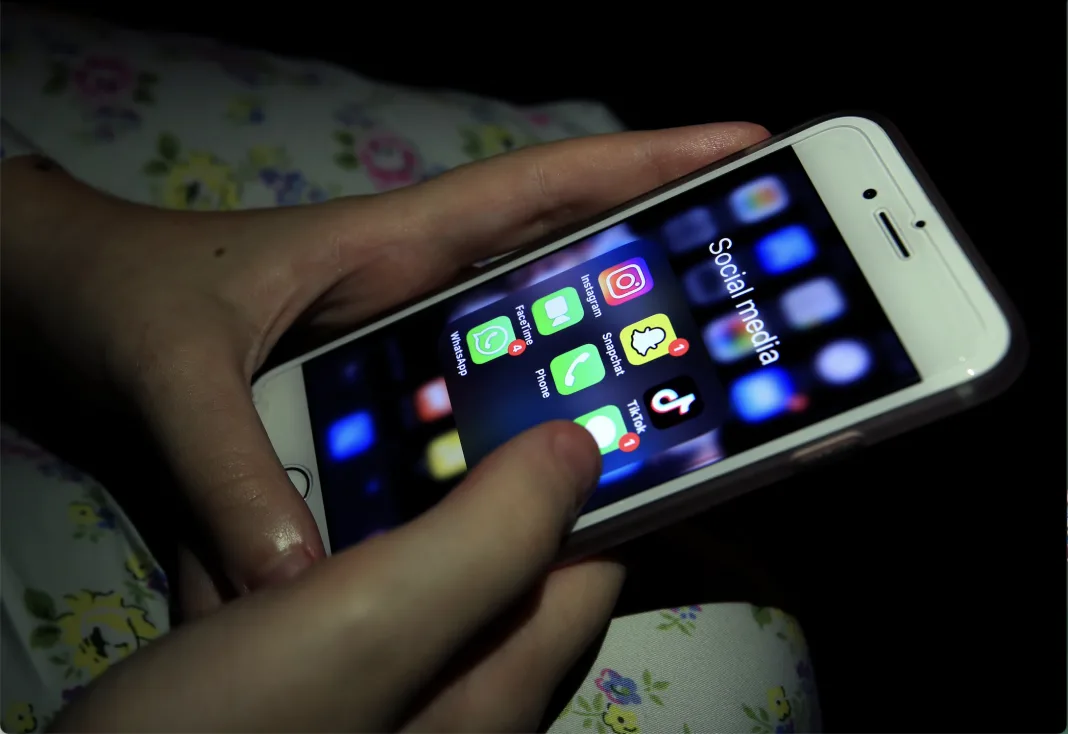
The Australian ban applies to platforms whose primary or significant purpose is online social interaction. Ten services are currently covered: Facebook, Instagram, Snapchat, Threads, TikTok, X, YouTube, Reddit, and the streaming platforms Kick and Twitch.
The government assesses platforms using three criteria: whether they enable online social interaction between users, allow users to interact with others, and permit users to post content. Services that do not meet those criteria are excluded.
As a result, YouTube Kids, Google Classroom, and WhatsApp are not covered. Children under 16 can also still view most online content without an account, meaning passive consumption of videos or posts remains legal.
Critics have argued that the scope is incomplete, pointing to online gaming and social platforms, such as Roblox and Discord, which are not included. Roblox has said it will introduce age checks on some features, but it remains outside the ban.
Why the government acted:
The Australian government says the policy is designed to reduce harm caused by social media platforms’ design features, particularly those that encourage prolonged screen time and expose young users to damaging content.
A government-commissioned study published earlier this year found that 96 percent of Australian children aged 10 to 15 used social media. Seven in ten reported being exposed to harmful material, including sexist or violent content, as well as posts promoting eating disorders and suicide. One in seven said they had experienced grooming-type behavior, and more than half reported being victims of cyberbullying.
Australian Communications Minister Annika Wells has described the ban as a public health intervention rather than a moral judgment, acknowledging that it will not be flawless.
How enforcement works:
Children and parents will not be fined or prosecuted for breaching the ban. Instead, enforcement falls on social media companies, which face penalties of up to A$49.5 million for serious or repeated failures to prevent underage access.
Platforms are required to take what the government calls “reasonable steps” to verify users’ ages, using a combination of technologies. These may include government-issued identification, facial or voice recognition, and “age inference” tools that analyze online behavior to estimate age. Companies are not allowed to rely on users self-declaring their age or on parents vouching for them.
Meta, which owns Facebook, Instagram, and Threads, began closing teen accounts from December 4, 2025. The company says users removed in error can verify their age using government ID or a video selfie. Snapchat has said it will allow verification through photo ID, bank accounts, or selfies.
Concerns and criticisms:
Despite its landmark status, the ban has faced sustained criticism. Technology experts and civil liberties groups warn that age verification systems can be inaccurate, particularly for teenagers. The government’s own report found that facial assessment technology is least reliable for people in that age group.
Others question whether the fines are large enough to change behavior. Former Facebook executive Stephen Scheeler told Australia’s AAP news agency that Meta earns roughly A$50 million in under two hours, raising doubts about whether penalties will act as a meaningful deterrent.
Privacy advocates have also raised concerns about the volume of sensitive data required to verify age, especially in a country that has experienced several high-profile data breaches. The government insists the law includes strict protections, requiring that personal data be used only for age verification and then destroyed, with severe penalties for misuse.
How tech companies have responded:
Major technology companies criticized the ban when it was announced in November 2024. Many argued it would be difficult to enforce, easy to circumvent through fake accounts or VPNs, and potentially harmful by pushing young people toward less regulated corners of the internet.
YouTube and Snap have disputed being classified as social media platforms. YouTube said the laws were rushed and warned that banning accounts could make children less safe by removing parental controls and safety filters. Google, YouTube’s parent company, was reported to be considering a legal challenge but did not respond to BBC requests for comment.
Despite opposition, companies including TikTok, Snap, and Reddit have said they will comply with the law, even while expressing concerns about free expression, privacy, and uneven protections across platforms.
A global test case with local resonance:
Australia’s decision comes as other countries explore similar measures. Denmark plans to ban social media for under-15s, Norway is considering its own restrictions, and France has proposed both a ban for under-15s and curfews for older teens. Spain has drafted legislation requiring parental authorization for under-16s, while the UK has focused on heavy penalties for platforms that fail to protect children from harmful content.
In the Caribbean, including Trinidad and Tobago, the debate feels familiar. Parents regularly express anxiety about cyberbullying, harmful content, and the amount of time children spend online, even as social media remains central to how young people communicate, learn, and express themselves. The question many families face is whether regulation, education, or a combination of both offers the best protection.
Australia’s ban does not resolve that question. But by placing responsibility squarely on technology companies and drawing a firm age line, it has set a precedent that other governments are now studying closely.
Whether the policy ultimately reduces harm, or simply reshapes how young people navigate the internet, is something the rest of the world will be watching in real time.
News Desk is the editorial publishing account for Tringlobe Media News, covering breaking news, public affairs, entertainment, community developments and regional stories across Trinidad and Tobago, the Caribbean and internationally.