US Moves to Restrict New Foreign Made Drones Over National Security Concerns
The United States has taken formal steps to restrict the sale and importation of new foreign made drones, citing national security and public safety concerns. The move follows a decision by the Federal Communications Commission to expand its Covered List to include certain unmanned aircraft systems and critical drone components produced by foreign manufacturers.
Under the updated policy, new drone models and related equipment from listed foreign companies will no longer be eligible for FCC equipment authorization. This authorization is required for devices to be legally imported, marketed, or sold in the United States. Without it, new models cannot enter the US market unless an exemption is granted by the federal government.
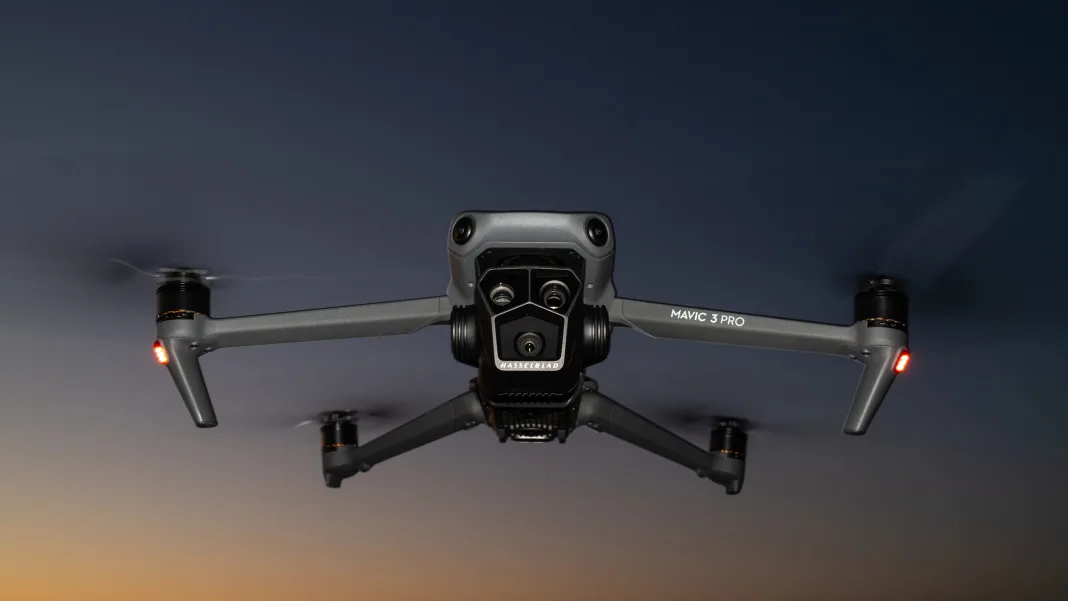
The action primarily affects major Chinese drone manufacturers, including DJI and Autel Robotics, which together account for a significant share of the global consumer and commercial drone market. Existing drone models that were approved before the rule change are not affected and may continue to be used, resold, and operated legally.
According to US officials, the decision was based on recommendations from an Executive Branch interagency review that determined certain foreign made drones pose an unacceptable risk to national security. Concerns cited include the potential for unauthorized surveillance, sensitive data collection, supply chain vulnerabilities, and the dual use of drone technology for both civilian and military purposes.
The FCC has stated that the measure is not a blanket ban on drones or drone operations. Instead, it is a forward looking restriction aimed at preventing new foreign made drone technologies from entering US airspace without additional scrutiny. Government agencies emphasized that the policy does not require the grounding or confiscation of drones already in circulation.
Industry reaction has been mixed. Drone manufacturers affected by the ruling have criticized the decision, arguing that it lacks transparency and could disrupt industries that rely heavily on drone technology, including agriculture, construction, emergency response, filmmaking, and infrastructure inspection. Some US based drone operators and trade groups have also warned that limiting access to widely used platforms could increase costs and reduce innovation in the short term.
The Chinese government has publicly objected to the move, calling on the United States to reverse the decision and warning that it could negatively impact trade relations. US officials, however, have framed the policy as part of a broader effort to secure critical technologies and protect domestic infrastructure and airspace.
The restriction comes amid heightened global attention on drone use, particularly around sensitive locations and major public events. US authorities have increasingly focused on airspace security, data protection, and technological independence as drones become more capable and widespread.
While the long term impact of the policy remains to be seen, the FCC’s action marks a significant shift in how the United States regulates drone technology, signaling tighter controls on foreign made systems entering the market going forward.
Follow us on Instagram: @news.tringlobe