Tensions Rise Between Former and Current Police Commissioners Over Body Cameras
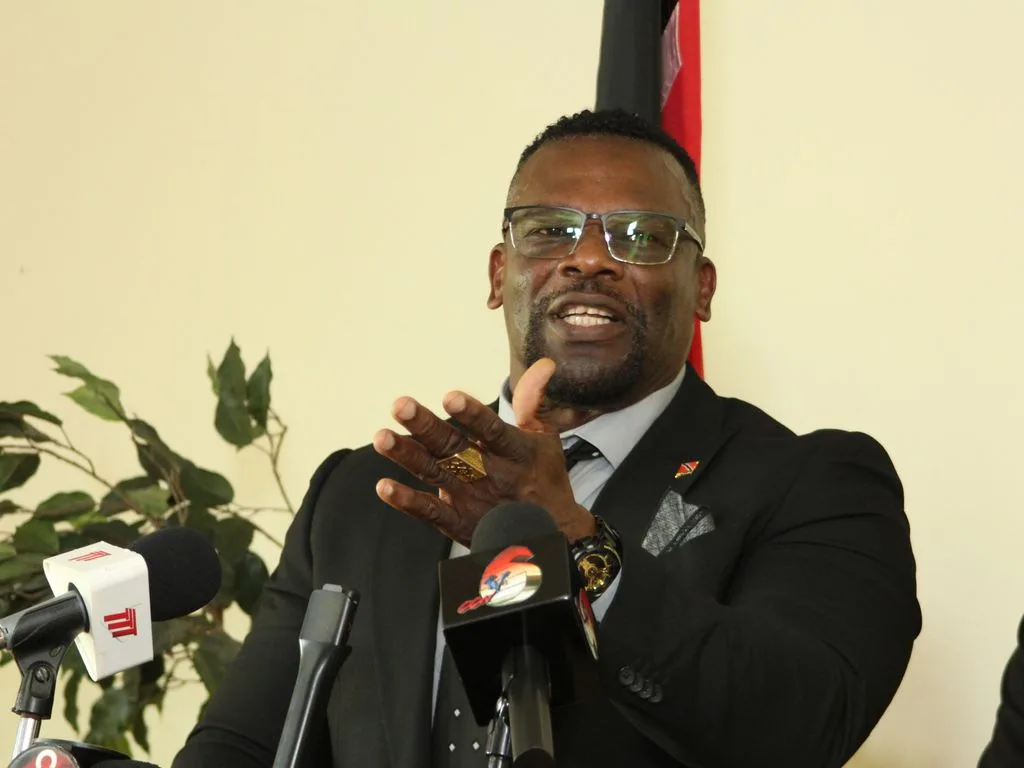
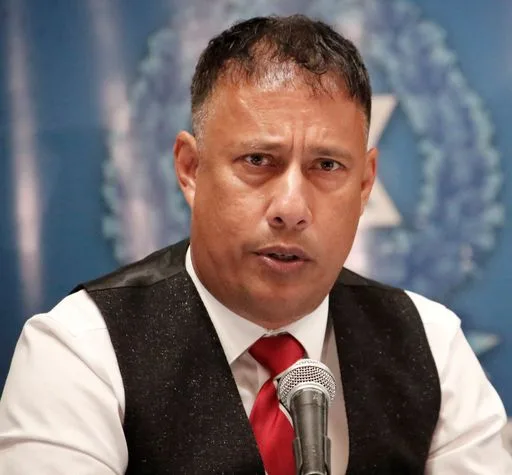
Former Police Commissioner Gary Griffith has intensified his criticism of current Commissioner of Police (CoP) Allister Guevarro, labeling him as “desperate,” “petty,” and “comical.” This escalation comes amid growing tensions surrounding the controversial issue of body cameras that the Trinidad and Tobago Police Service (TTPS) acquired during Griffith’s tenure.
Griffith took to social media to express his frustrations after Guevarro addressed the acquisition and use of body cameras on Monday. He accused Guevarro of demonstrating a lack of understanding regarding technology, stating, “Because of his apparent fear and ignorance of technology, he does not understand that when you make a comment, it can be easily verified by any member of the public via online research.” Griffith specifically referenced Guevarro’s claim that a radar system designed for missile interception could detect illegal drugs in a swamp.
In an audio message released on Tuesday, Guevarro challenged Griffith to clarify the circumstances surrounding the contracts for 1,200 body cameras, asserting that these contracts left the TTPS in significant debt and without functional cameras. He noted that the first batch of 750 cameras was rendered inoperable after the TTPS terminated the contract, while the second batch of 250 cameras was acquired without a management platform, allowing officers to turn them off and delete footage. Consequently, Guevarro deemed these devices unsuitable for operational deployment.
Griffith responded by defending his decisions made during his tenure from August 2018 to August 2021. He asserted that the 1,200 body cameras were procured at approximately TT$3,000 each, contrasting this with a subsequent approval for an additional 3,000 cameras at a cost of TT$8,000 each, which he claimed would amount to over TT$15 million more. Griffith emphasized that the cameras acquired during his leadership were fully operational, fit for frontline policing, and actively utilized by officers.
Addressing Guevarro’s claims about the contracts, Griffith challenged him to substantiate his statements regarding the alleged unavailability of the cameras due to the contract termination. He questioned why no new contract had been established after five years and criticized the TTPS hierarchy for their slow response in managing the body camera program.
On the assertion that officers could turn off the cameras and delete footage, Griffith called this claim “ridiculous” and urged the public to conduct their own research. He pointed out that nearly all body cameras used by police forces in North America and Europe have the capability to be switched on and off, deeming Guevarro’s justification as “pathetic and misleading.”
Griffith further criticized Guevarro, stating, “To show how desperate he is to make cheap excuses not to use body cameras, these same 1,200 cameras were being used by the TTPS under my watch.” He explained the protocol in place, where officers would sign for cameras at the start of their duty and return them afterward. Any discrepancies in video recording duration would result in immediate suspension if officers could not justify turning off the cameras, as their use was mandatory.
In response to concerns over the quality of the devices, Griffith once again encouraged public investigation into the matter, accusing Guevarro of misleading the populace. He insisted that the current CoP appears to be seeking excuses to avoid implementing body cameras, urging the media and public to question this stance.
As public scrutiny of Guevarro’s handling of police matters increases—particularly following the fatal shooting of Joshua Samaroo on January 20 in St. Augustine—Griffith remarked, “While some might understand the desperation under mass negative public review, his words, spoken and unspoken, suggest he is attempting to blame others for his failure to address the public’s concern.”
Follow us on Instagram: @news.tringlobe