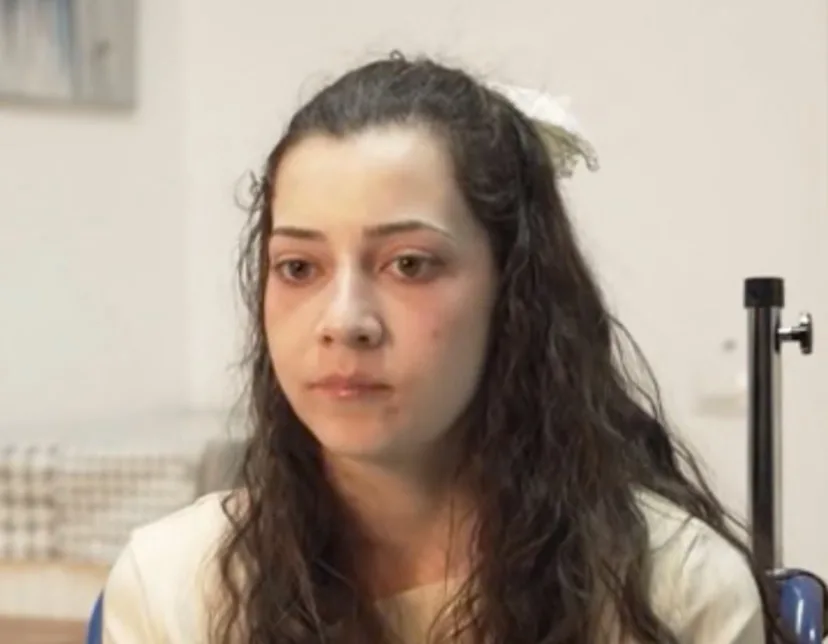
Legal battles and chronic suffering ended for Noelia Castillo, a 25-year-old Spanish woman, when she died through assisted euthanasia. Castillo, a paraplegic living with chronic pain and long-term psychiatric illness, had been embroiled in nearly two years of legal disputes with her father, who opposed her decision to end her life. Her case gained national and international attention, highlighting Spain’s end-of-life laws.
Earlier this month, the European Court of Human Rights rejected a request to halt the euthanasia process, effectively paving the way for Castillo’s exit from life. The young woman had experienced significant trauma in recent years. After surviving a sexual assault and an attempted suicide, Castillo was left paraplegic and in constant pain, requiring the use of a wheelchair.
Spain legalized euthanasia in 2021, providing adults with serious and incurable illnesses, or chronic conditions causing unbearable suffering, the option to request assisted death. Government data shows that more than 1,100 people have used the law since its inception. Castillo’s decision to end her life, she revealed in a television interview shortly before her death, was rooted in her experience of suffering and her desire for peace.
Her death has sparked renewed debate across Spain about euthanasia, mental health, and patient autonomy. Advocates emphasize the right to choose, while critics continue to raise concerns about safeguards for vulnerable individuals.
Follow us on Instagram: @news.tringlobe