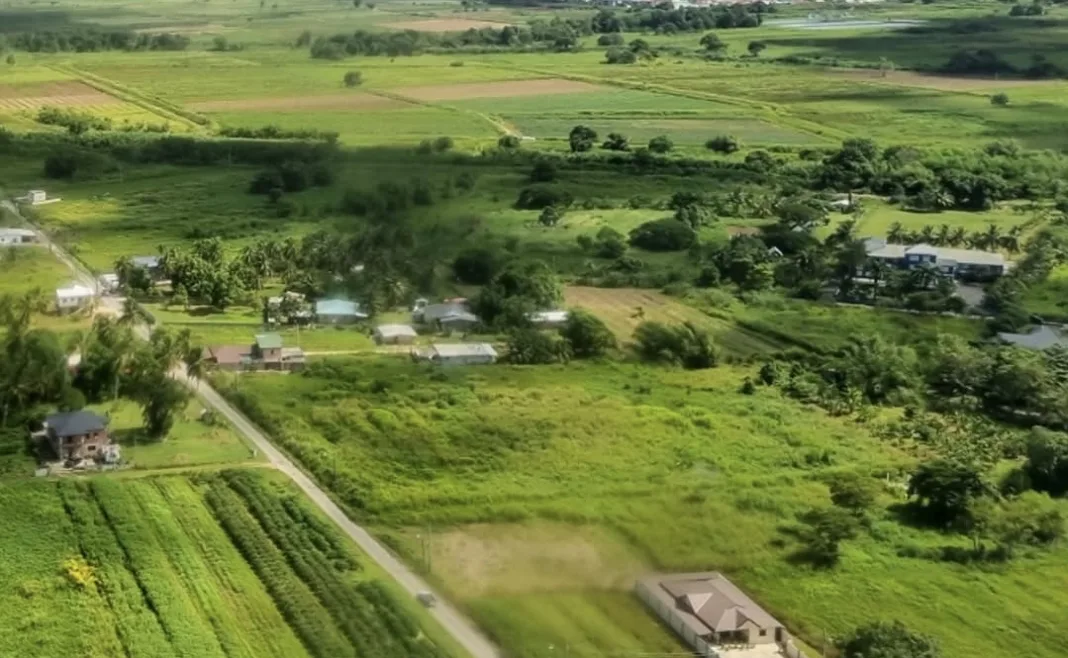
Trinidad and Tobago’s agriculture sector, which has been struggling for years, may be on the cusp of a significant structural change. There’s a renewed focus on agricultural insurance and financing solutions. An agricultural insurance framework could provide local producers with protection against a multitude of risks, including floods, droughts, pests, fires, and the persistent issue of praedial larceny. This safety net would enable farmers to bounce back more swiftly following disasters and maintain operations amidst growing uncertainty. Agricultural insurance would shield farmers from financial losses resulting from natural disasters and crime, covering crops, livestock, aquaculture, and apiculture. Despite its contribution to the local economy dwindling to less than 1% of the gross domestic product over the past twenty years, the sector remains reliant on smallholder farms and agro-processing businesses. There are discussions in progress about initiating a multi-peril agricultural insurance scheme. This would necessitate government leadership, participation from the private sector, and new technical capacity in areas such as actuarial assessment and risk modelling. Other Caribbean countries are trialling parametric insurance programmes that automatically trigger payments when predefined climate thresholds are reached. However, there are still challenges to overcome, such as insurers’ reservations about entering a high-risk market without clear incentives, reinsurance arrangements and reliable data. Farmers themselves may need education on how insurance works and what it can realistically cover. Despite the challenges, stakeholders believe agricultural insurance could be a crucial component of Trinidad and Tobago’s farm sector transformation.
Follow us on Instagram: @news.tringlobe